How to Prepare Your Roof for Winter in Red Deer
A practical pre-winter roofing checklist to help Red Deer homeowners prevent leaks, ice dams, and costly cold-weather roof damage.
Winter in Red Deer can be hard on a roof. Between heavy snow, freezing temperatures, strong winds, and repeated freeze-thaw cycles, small roofing problems can quickly turn into expensive repairs once the cold weather sets in. Preparing your roof before winter is one of the best ways to protect your home, prevent leaks, and avoid emergency roofing issues during the harshest months of the year.
The good news is that winter roof preparation does not have to be complicated. A careful inspection, a few maintenance steps, and timely repairs can make a major difference before the first big snowfall arrives.
Start With a Visual Roof Inspection
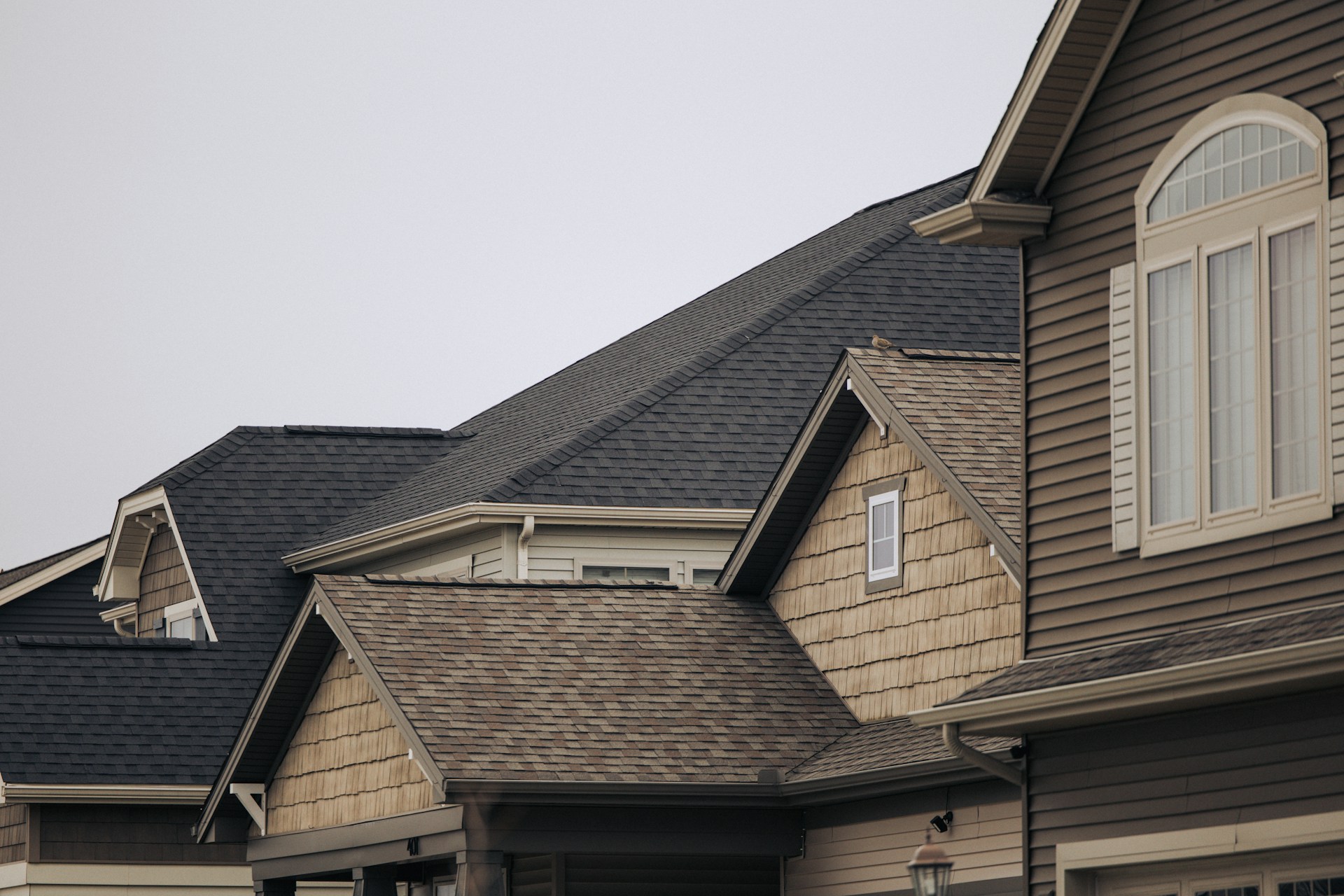
Before winter, take time to look over your roof from the ground. You do not need to climb onto the roof to spot many common warning signs. From a safe distance, look for missing shingles, curling edges, cracked shingles, exposed fasteners, uneven rooflines, sagging areas, damaged flashing, or spots where shingles appear lifted.
In Red Deer, wind and seasonal temperature changes can loosen roofing materials over time. What looks like a minor issue in the fall can become a leak once snow piles up and starts melting. If you notice anything that looks damaged or out of place, it is worth learning how to spot roof damage before it becomes expensive before winter makes the problem worse.
A roof that enters winter in poor condition is more likely to struggle with snow load, ice buildup, and water intrusion during warm spells or spring melt.
Clean Out Gutters and Downspouts
Clogged gutters are one of the most common causes of winter roof problems. When leaves, branches, dirt, and shingle granules block the gutter system, melting snow has nowhere to drain properly. That water can refreeze along the roof edge, contributing to ice dams and forcing moisture back under shingles.
Before winter, make sure your gutters and downspouts are clear. Water should flow freely away from the roofline and foundation. Check that downspouts are securely attached and directing water away from the home.
This step is especially important in Red Deer because fall debris can quickly become frozen in place once temperatures drop. Once gutters are packed with ice, they are much harder and riskier to clear.
Check Flashing Around Roof Penetrations
Flashing is the metal material installed around vulnerable areas of the roof, including chimneys, vents, skylights, valleys, and walls. These are some of the most common places for leaks to begin.
Before winter, flashing should be checked for gaps, rust, lifting, cracked sealant, or signs of movement. Even a small opening around flashing can allow melting snow to enter the roof system. Once that moisture freezes and expands, the problem can become worse.
Pay close attention to areas where snow is likely to collect or melt slowly. These sections often face more stress during the winter months.
Trim Overhanging Branches
Trees can be beautiful, but branches hanging too close to the roof can create winter roofing problems. Snow and ice can weigh branches down, causing them to scrape shingles or break onto the roof. Branches can also drop debris into gutters, trap moisture, and create shaded areas where snow and ice take longer to melt.
Before winter, trim branches that hang over or near the roof. This helps reduce physical damage, limits gutter blockages, and improves airflow around the roof surface.
For homes in older Red Deer neighbourhoods with mature trees, this is an especially important maintenance step.
Look Inside the Attic
Your roof’s winter performance is not only about the exterior. The attic plays a major role in preventing condensation, heat loss, and ice dam formation.
Before winter, check the attic for signs of moisture, staining, frost, mould-like growth, damp insulation, or daylight coming through the roof boards. These can all point to possible ventilation, insulation, or roofing issues.
Poor attic ventilation can allow warm air from inside the home to collect under the roof deck. This can cause snow on the roof to melt unevenly. When that water reaches the colder roof edge, it can refreeze and create ice dams.
A properly ventilated attic helps keep roof temperatures more consistent, which reduces winter moisture issues and helps protect the shingles.
Watch for Early Signs of Ice Dam Risk
Ice dams are a major winter roofing concern in Alberta. They often form when heat escapes into the attic, melts snow on the roof, and causes water to refreeze near the eaves. Over time, that ice buildup can stop proper drainage and push water back under the shingles.
Warning signs of possible ice dam issues include large icicles, uneven snow melt on the roof, past winter leaks, water stains near exterior walls, or recurring ice buildup along the gutters.
Preventing ice dams starts before winter. Clean gutters, check attic insulation, improve ventilation, and repair damaged roof areas before snow arrives. If your home has leaked during winter or spring thaw before, review what to do if your roof leaks during snow melt so you know when the issue needs immediate attention.
Repair Missing or Damaged Shingles Before Snowfall
Damaged shingles should be repaired before winter whenever possible. Snow and ice can hide problem areas for months, allowing water to sit against the roof surface. Once temperatures rise, that trapped moisture can find its way into weak spots.
Missing shingles, cracked shingles, lifted tabs, and exposed underlayment are all issues that should be addressed before cold weather. Winter roofing repairs can sometimes be done, but they are often more difficult, weather-dependent, and urgent.
Taking care of small roof repairs in the fall is usually easier than waiting until a leak appears in the middle of winter.
Make Sure Roof Valleys Are Clear
Roof valleys are the areas where two roof slopes meet. They move a large amount of water, snow, and ice off the roof. Because of this, they are also one of the most important areas to check before winter.
Leaves, branches, and debris can collect in valleys and slow down drainage. When snow melts, blocked valleys can cause water to pool or refreeze. This can increase the chance of leaks, especially if shingles or flashing in the valley are already worn.
A clean, properly functioning valley helps snow and meltwater move off the roof more effectively.
Check for Previous Water Stains Indoors
Before winter, walk through the upper areas of your home and look for signs of previous roof leaks. Check ceilings, corners, closets, attic access areas, and walls near the roofline.
Look for brown stains, bubbling paint, soft drywall, musty smells, or areas that appear darker than the surrounding surface. These signs can indicate that water has entered the home before, even if the issue is not currently active.
Winter can make old leak points worse. If you notice interior staining, it is best to have the roof checked before snow and ice cover the problem area.
Schedule a Fall Roof Inspection
One of the best ways to prepare your roof for winter in Red Deer is to schedule a roof inspection before the weather turns. A professional inspection can identify problems that are easy to miss from the ground, including damaged flashing, weak shingles, ventilation concerns, soft spots, and early signs of roof wear.
A fall inspection is especially useful if your roof is older, your home has experienced leaks before, or your property is exposed to strong wind. It is also helpful after major storms or if you are unsure about the current condition of your shingles.
For homeowners trying to plan maintenance properly, it is worth understanding how often you should get your roof inspected, especially in a climate like Central Alberta where roofs deal with snow, hail, wind, and temperature swings.
Do Not Wait Until Winter Damage Appears
Many roofing problems start small. A loose shingle, blocked gutter, cracked vent boot, or minor flashing gap may not seem urgent in the fall. But once snow, ice, and freezing temperatures arrive, those small issues can become much harder to manage.
Preparing your roof before winter gives you more control. It allows repairs to be completed before the roof is covered in snow, reduces the risk of emergency leaks, and helps protect your home through the coldest months of the year.
Final Thoughts: Winter Roof Preparation Matters in Red Deer
A Red Deer roof needs to be ready for more than just cold weather. It has to handle snow buildup, wind, melting, refreezing, ice dams, and sudden temperature changes. Taking time to inspect and maintain your roof before winter can help prevent water damage, protect your home’s structure, and extend the life of your roofing system.
Before winter arrives, check your shingles, clean your gutters, inspect flashing, trim nearby branches, look in the attic, and address any signs of damage early. If anything looks worn, loose, or questionable, a professional roof inspection can help you deal with the issue before the snow starts to fall.
Have a roofing project in Red Deer, Blackfalds, Sylvan Lake, Penhold, Lacombe, or other Central Alberta areas? Give us a call and we'd be happy to help with your project!