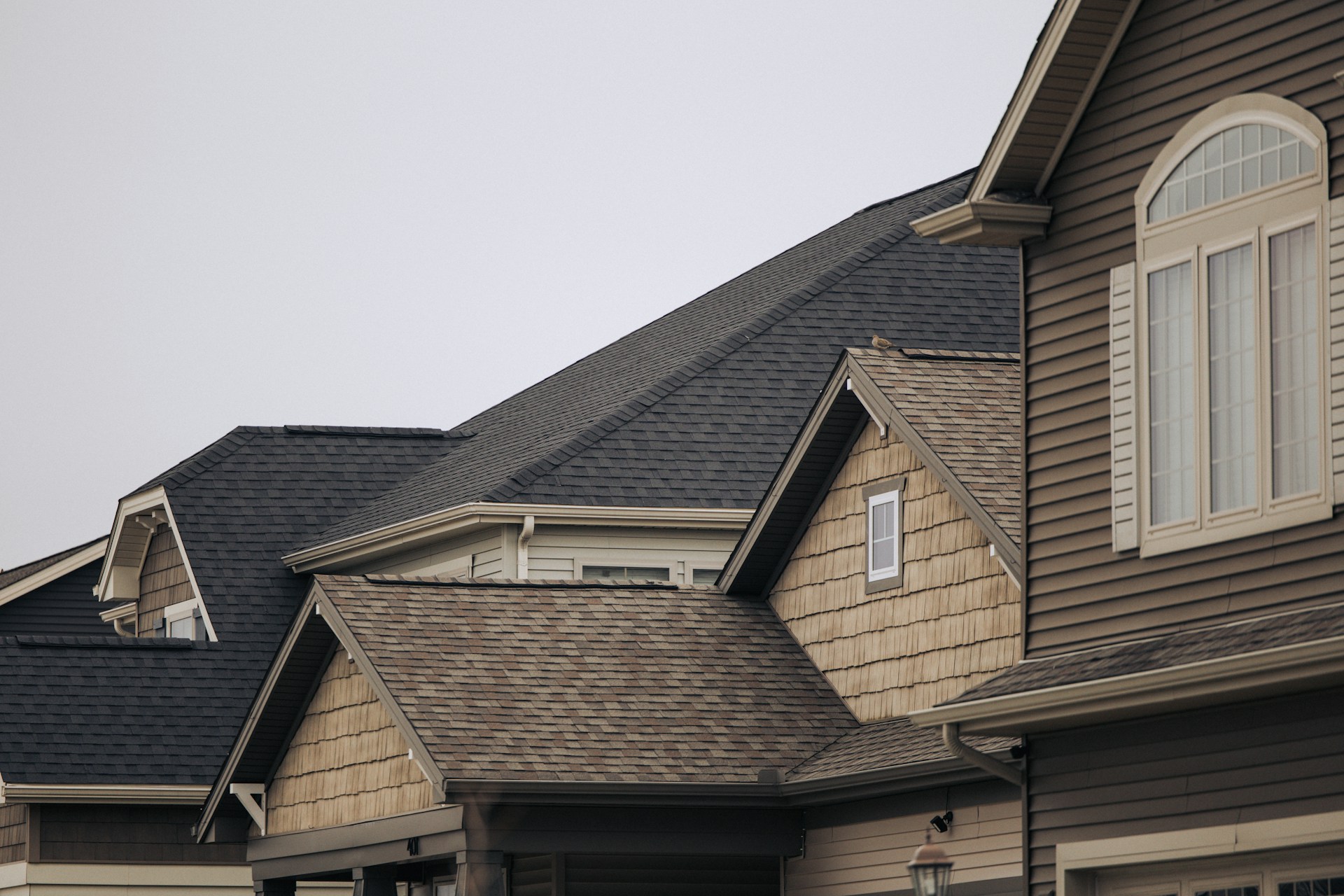
How to Spot Roof Damage Before It Becomes Expensive
Small roofing problems are easier, faster, and more affordable to fix when they are caught early.
Roof damage does not always start with water dripping from the ceiling or shingles scattered across the yard. In many cases, the first signs are subtle: a slightly lifted shingle, a small stain near a vent, loose flashing, or a patch of granules collecting in the eavestrough. For homeowners in Red Deer, these small warning signs can become expensive quickly because local roofs deal with wind, hail, heavy snow, freeze-thaw cycles, and sudden temperature swings.
Learning how to spot roof damage early can help you prevent leaks, protect your attic insulation, avoid interior water damage, and extend the life of your roof. While some roofing issues require a professional assessment, there are several signs homeowners can watch for from the ground, inside the home, and around the property.
Why Early Roof Damage Matters
A small roofing issue can turn into a much larger problem when moisture gets underneath the shingles or roofing surface. Once water finds a path into the roof system, it can spread into the roof deck, attic, insulation, drywall, and even electrical areas.
In Red Deer, this risk is especially important because roof damage can worsen during snow melt, spring rain, summer storms, and winter freeze-thaw conditions. A small gap around flashing or a lifted shingle may not seem urgent on a dry day, but it can become a serious leak once water starts pooling or ice begins to form.
Catching roof damage early helps reduce the chance of:
Interior ceiling stains
Attic moisture and mould concerns
Wet insulation
Damaged roof decking
Higher repair costs
Premature roof replacement
Recurring leaks during rain or snow melt
The earlier you notice the signs, the easier it is to decide whether you need basic maintenance, a targeted repair, or a more detailed inspection.
Look for Missing, Lifted, or Curling Shingles
One of the easiest ways to spot roof damage is by checking the condition of your shingles from the ground. You do not need to climb onto the roof to notice visible changes. Stand back from the home and look for areas where the roofline appears uneven, patchy, curled, or lifted.
Common shingle warning signs include:
Missing shingles
Shingles lifting at the edges
Curling or cupping shingles
Cracked shingles
Shingles that look loose or shifted
Dark patches where granules are missing
Sections that look different from the rest of the roof
In Red Deer, strong wind can lift shingles and break the seal that helps keep them in place. Once a shingle is lifted, rain and melting snow can get underneath it. Even if the shingle is still attached, it may no longer be protecting the roof properly.
If you notice shingles that are missing or visibly damaged, it may be time to schedule roof inspections in Red Deer before the issue spreads.
Check for Granules in the Gutters or Downspouts
Asphalt shingles are covered with protective granules that help shield the roof from sunlight, weather, and general wear. Over time, some granule loss is normal. However, a large amount of granules in your gutters, downspouts, or at the base of your home can be a sign that the shingles are wearing down.
Granule loss can show up as:
Sandy debris in the eavestrough
Dark streaks at the end of downspouts
Bare-looking patches on shingles
Shiny or smooth areas on the roof
More debris after hail, wind, or heavy rain
When shingles lose too many granules, they become more vulnerable to cracking, drying out, and breaking down. This can increase the chance of leaks and shorten the life of the roof.
Granule loss is especially worth watching after a storm. If your roof looked fine before a hailstorm but you later notice a large amount of granules in the gutters, that may be an early sign of roof damage.
Watch for Water Stains Inside the Home
Not all roof damage is obvious from the outside. Sometimes the first signs appear indoors. A roof leak can travel through insulation, rafters, and drywall before it becomes visible, which means even a small ceiling stain should be taken seriously.
Inside the home, look for:
Brown or yellow ceiling stains
Water marks near exterior walls
Bubbling paint
Soft drywall
Musty smells
Damp insulation in the attic
Staining around bathroom fans, vents, or chimneys
A water stain does not always mean the roof is failing, but it does mean moisture is entering somewhere. The source could be damaged flashing, a roof vent, poor attic ventilation, ice damming, missing shingles, or a roof penetration that needs resealing.
If the stain grows after rain or snow melt, the issue should be inspected quickly. Waiting too long can lead to more expensive interior damage.
Pay Attention to Flashing Around Roof Penetrations
Many roof leaks start around flashing, not in the middle of the shingles. Flashing is used around areas where the roof meets another surface or where something passes through the roof. These areas need extra protection because they are natural weak points.
Common flashing areas include:
Chimneys
Skylights
Roof vents
Plumbing stacks
Exhaust vents
Valleys
Wall intersections
Dormers
From the ground, you may be able to spot flashing that looks bent, rusted, lifted, cracked, or separated from the surrounding material. You may also notice gaps, missing sealant, or shingles that look disturbed around a vent or chimney.
Because flashing problems can allow water into the roof system, they should not be ignored. This is one reason preventative roof maintenance in Red Deer is so important, especially before winter or after major storms.
Check the Attic for Moisture or Daylight
The attic can reveal roof problems before they become visible inside your living space. If you can safely access your attic, look for signs that water or air is getting through the roof system.
Warning signs in the attic include:
Damp insulation
Dark staining on wood
Frost buildup in winter
Musty odours
Visible daylight through roof boards
Rust on nails or metal fasteners
Water trails on rafters or sheathing
Attic moisture does not always come from a roof leak. It can also be caused by poor ventilation, warm indoor air escaping into the attic, or condensation. However, any moisture in the attic should be taken seriously because it can damage the roof structure over time.
A professional roofer can help determine whether the issue is coming from the roof covering, ventilation system, flashing, or attic conditions.
Look for Sagging or Uneven Roof Areas
A roof should have a consistent shape and clean lines. If part of the roof looks saggy, wavy, dipped, or uneven, that can be a sign of a more serious issue beneath the surface.
Sagging may be caused by:
Long-term moisture damage
Weak roof decking
Structural stress
Excess snow load
Poor ventilation
Aging materials
Previous installation issues
This type of roof damage should be looked at quickly. A sagging section can indicate that the roof deck or supporting structure has been weakened. Even if there is no active leak inside the home, the underlying problem may continue to get worse.
Inspect After Heavy Wind, Hail, or Snow Melt
Red Deer weather can be hard on roofing systems. Even a roof that appears to be in good condition can suffer damage after a strong windstorm, hail event, heavy snowfall, or rapid thaw.
After major weather, walk around your property and look for:
Shingles on the ground
Pieces of flashing or metal trim
Dented vents or roof accessories
New granules near downspouts
Loose gutters
Water pooling around the home
New ceiling stains
Branches or debris on the roof
Hail damage can be especially difficult to see from the ground. It may appear as bruising, small impact marks, exposed matting, or accelerated granule loss. If your home has recently been through hail or severe wind, it may be worth reading more about how Red Deer weather damages your roof over time so you know what conditions tend to create hidden roofing problems.
Do Not Ignore Small Leaks
A small leak can feel manageable at first, especially if it only appears during heavy rain or spring thaw. However, intermittent leaks are often a sign that water is entering under specific conditions. That may include wind-driven rain, melting snow, ice buildup, or water backing up near valleys and roof edges.
Small leaks can become expensive because water rarely stays in one place. It can travel along rafters, insulation, and drywall before appearing somewhere far away from the actual roof damage.
If you notice a leak, do not wait until the next storm to see if it happens again. The roof may already have an opening that needs to be repaired.
Watch for Moss, Algae, or Debris Buildup
Moss, algae, leaves, and debris can trap moisture against the roof. This is especially common in shaded areas, near trees, or in roof valleys where debris collects. While staining or organic growth may seem cosmetic, it can contribute to faster shingle deterioration if moisture stays on the roof for too long.
Areas to watch include:
Roof valleys
North-facing slopes
Sections under large trees
Low-slope areas
Around gutters and roof edges
Behind chimneys or dormers
Keeping the roof clear of debris helps water move off the roof properly. It also makes it easier to spot damage before it becomes a larger issue.
Know When to Call a Roofing Professional
Homeowners can often spot early warning signs, but a professional roofer can determine how serious the damage is. Some issues may only need minor maintenance, while others may require a repair before water gets into the roof system.
You should consider calling a roofing professional if you notice:
Missing or lifted shingles
Water stains inside the home
Granules collecting in the gutters
Damaged flashing
Sagging roof sections
New issues after hail or wind
Leaks during rain or snow melt
Attic moisture or frost
Roof damage that keeps returning
The goal is not always to replace the roof. In many cases, catching damage early can help you avoid a larger repair and get more life out of your existing roofing system.
Final Thoughts
Spotting roof damage before it becomes expensive comes down to paying attention to small changes. Missing shingles, loose flashing, granule loss, attic moisture, ceiling stains, and storm-related damage can all point to problems that should be inspected before they spread.
For Red Deer homeowners, regular roof checks are especially important because local weather can speed up wear and tear. A roof that handles wind, hail, snow, ice, and freeze-thaw conditions needs occasional attention to stay reliable.
By looking for early signs and acting before damage gets worse, you can protect your home, reduce repair costs, and avoid preventable roofing problems.
Have a roofing project in Red Deer, Blackfalds, Sylvan Lake, Penhold, Lacombe, or other Central Alberta areas? Give us a call and we'd be happy to help with your project!