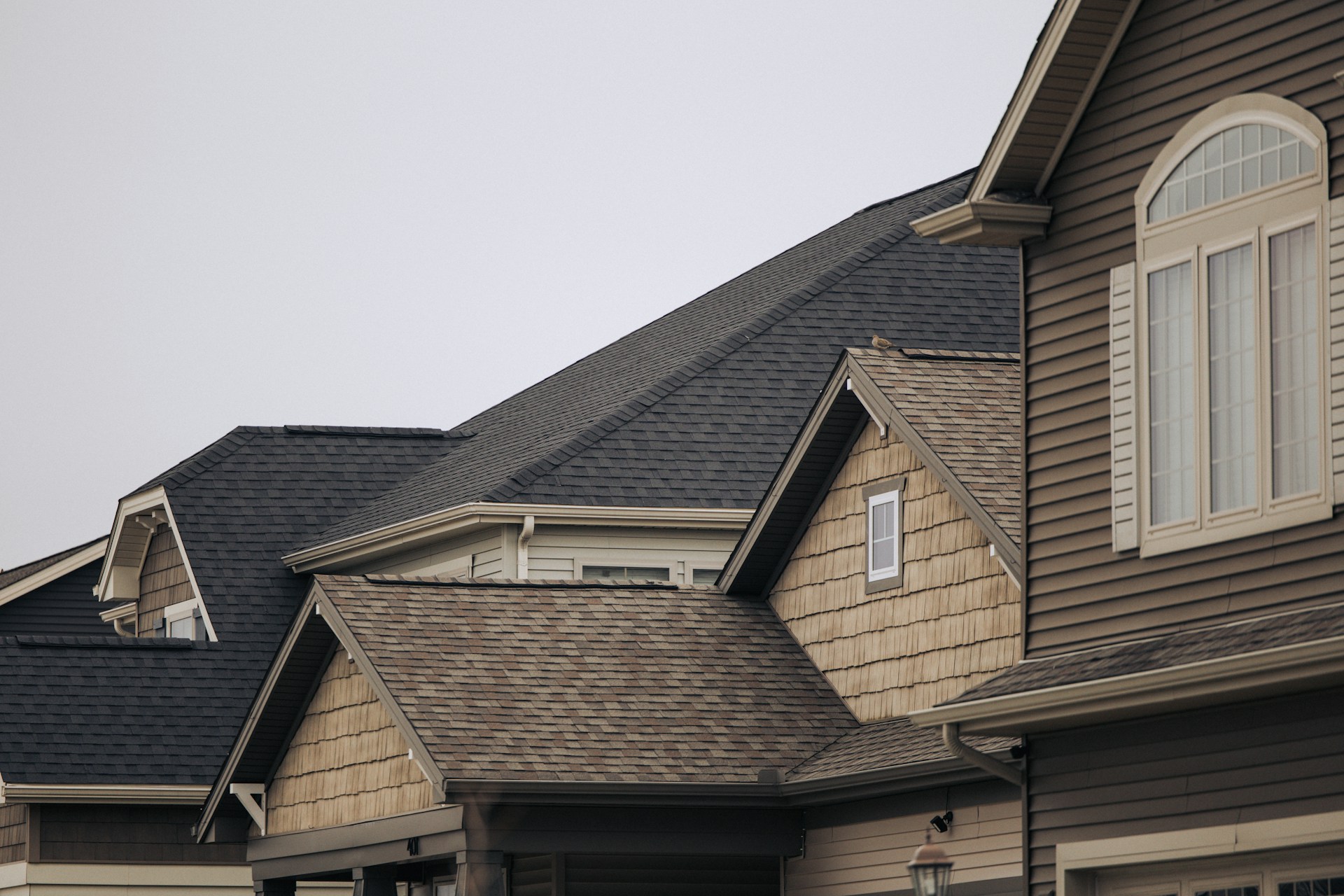
How often should I get my roof inspected?
A practical guide for Red Deer and Central Alberta homeowners on when to schedule a roof inspection, what warning signs to watch for, and why Alberta weather makes regular roof checkups so important.
Your roof protects your home from heavy snow, hail, wind, rain, sun exposure, and fast temperature swings. In Red Deer and across Central Alberta, those conditions can wear down shingles, flashing, vents, sealants, and roof decking faster than many homeowners expect.
So, how often should you get your roof inspected?
For most homes, a roof should be inspected at least once per year. In Central Alberta, it is also smart to schedule an inspection after major weather events, including hailstorms, heavy wind, ice buildup, or rapid snow melt. If your roof is older, has had previous leaks, or shows visible wear, you may benefit from having it inspected twice a year.
A regular roof inspection helps catch small issues before they turn into expensive roof repairs, interior water damage, or a full roof replacement.
How Often Should a Roof Be Inspected in Red Deer?
Most Red Deer homeowners should schedule a professional roof inspection once every year. The best times are usually spring or fall.
A spring inspection helps identify damage caused by winter snow, ice, freeze-thaw cycles, and moisture buildup. A fall inspection helps make sure your roof is ready before another Alberta winter arrives.
For homes in Red Deer, Blackfalds, Lacombe, Penhold, Sylvan Lake, and surrounding Central Alberta communities, roof inspections are especially important because local weather can be hard on roofing materials. Wind can lift shingles, hail can bruise or crack asphalt, and snow melt can expose weak points around vents, valleys, flashing, and gutters.
If you are unsure whether your home is due for an inspection, booking Roof Inspections in Red Deer is a good first step toward understanding the current condition of your roof.
When Should You Get Your Roof Inspected?
A yearly inspection is a good baseline, but there are certain situations where you should not wait.
You should schedule a roof inspection after:
A major hailstorm
Heavy wind or missing shingles
A long winter with heavy snow buildup
Ice damming or snow melt issues
Water stains on ceilings or walls
A leak during rain or spring thaw
Buying or selling a home
Noticing sagging, soft spots, or uneven rooflines
Finding shingle granules in your gutters
Seeing cracked, curled, or lifted shingles
If you are already noticing visible issues, the inspection may lead to Roof Repair in Red Deer, especially if the damage is limited to a smaller section of the roof.
Why Annual Roof Inspections Matter in Central Alberta
Central Alberta weather creates a lot of roof stress throughout the year. Winter brings snow load, ice buildup, and freeze-thaw movement. Spring often brings melting snow and rain. Summer can bring hail, heat, UV exposure, and strong winds. Fall is the final window to prepare your roof before freezing temperatures return.
Because of these seasonal changes, small roof issues can become serious quickly. A loose shingle in the fall can become a leak by spring. A small flashing gap can allow moisture into the attic. A minor hail bruise can shorten the lifespan of your shingles.
That is why many homeowners choose annual Roof Inspections in Central Alberta as part of their regular home maintenance plan.
Spring vs. Fall Roof Inspections
Spring and fall are usually the two best times to inspect a roof in Alberta.
A spring roof inspection is useful because it checks for winter-related damage. Snow, ice, and rapid melting can reveal weak spots that may not have been obvious before. If your roof leaked during snow melt, you should also review What should I do if my roof is leaking during rain or snow melt? to better understand what steps to take next.
A fall roof inspection is preventative. It helps identify missing shingles, damaged flashing, clogged gutters, exposed nails, or worn sealants before winter arrives. This gives homeowners time to complete Roof Maintenance in Red Deer before snow and freezing temperatures make roofing work more difficult.
For many homes, one annual inspection is enough. For older roofs, high-risk roofs, or homes with previous leak issues, spring and fall inspections may both be worthwhile.
How Often Should Older Roofs Be Inspected?
Older roofs should be inspected more often than newer roofs.
If your asphalt shingle roof is over 10 to 15 years old, it is smart to inspect it at least once per year, and possibly twice per year if it has visible wear. Alberta’s climate can accelerate aging, especially on roofs exposed to open prairie wind, heavy sun, hail, and repeated freeze-thaw cycles.
Older roofs are more likely to have:
Curling shingles
Brittle shingles
Missing granules
Cracked sealant
Loose flashing
Soft decking
Ventilation issues
Small leaks around roof penetrations
If the inspection finds widespread damage, it may be time to compare repair options against replacement. In that case, Roof Replacement in Red Deer may be a better long-term solution than repeatedly repairing an aging roof.
Do You Need a Roof Inspection After Hail?
Yes, it is usually a good idea to inspect your roof after a significant hailstorm.
Hail damage is not always obvious from the ground. Your shingles may look fine at first, but hail can loosen protective granules, bruise the shingle surface, or weaken areas that later become leak points. Even small hail can cause problems if it comes with strong wind or heavy rain.
After a hailstorm, watch for granules in gutters, dented metal vents, damaged flashing, cracked shingles, or pieces of roofing material around your yard. You can also review What are the most common signs of roof damage? if you are trying to decide whether your roof needs immediate attention.
Do You Need a Roof Inspection After Winter?
In Red Deer and Central Alberta, a post-winter roof inspection is a smart idea.
Winter can cause problems that are easy to miss until spring. Heavy snow can put pressure on the roof structure. Ice buildup can push water under shingles. Freeze-thaw cycles can expand small gaps around flashing, vents, and roof edges.
A spring inspection can check for:
Lifted or missing shingles
Damaged flashing
Ice dam damage
Moisture around vents
Soft or sagging roof areas
Gutter and drainage problems
Leaks caused by snow melt
For a seasonal maintenance approach, Spring Roof Inspection Checklist for Red Deer Homeowners is a strong supporting resource to help homeowners understand what should be reviewed after winter.
Can You Inspect Your Roof Yourself?
Homeowners can do a basic visual check from the ground, but a professional roof inspection is still recommended.
From the ground, you can look for obvious problems like missing shingles, sagging areas, damaged gutters, loose metal, or debris on the roof. Inside the home, you can check the attic and ceilings for stains, moisture, moldy smells, or signs of water entry.
However, many roof problems are difficult to spot without safely accessing the roof. A professional roofer can check shingle condition, flashing, valleys, roof vents, pipe boots, sealants, drainage, and signs of hidden moisture.
You do not need to wait until there is a leak. Regular inspections are meant to catch roofing problems before they become urgent.
How Often Should You Inspect a Roof Before Buying a Home?
If you are buying a home in Red Deer or Central Alberta, the roof should be inspected before finalizing the purchase.
A roof may look acceptable from the street but still have hidden issues, poor ventilation, old flashing, damaged shingles, or signs of previous leaks. A roof inspection can help you understand whether the roof is in good shape, needs repairs, or may require replacement soon.
This is especially important for older homes or properties with mature trees, previous storm exposure, or limited maintenance history.
What Happens During a Roof Inspection?
A professional roof inspection usually looks at the full roofing system, not just the shingles.
This may include:
Shingle condition
Missing, cracked, curled, or lifted shingles
Flashing around chimneys, walls, and valleys
Roof vents and pipe boots
Gutters and drainage
Signs of hail or wind damage
Exposed nails or failed sealants
Soft spots or sagging areas
Attic ventilation concerns
Interior signs of moisture or leaks
The goal is to understand the condition of the roof, identify current issues, and recommend the right next step.
Sometimes the roof only needs minor maintenance. Other times, the inspection may reveal repair work that should be handled quickly before more damage occurs.
Final Answer: How Often Should You Get Your Roof Inspected?
Most Red Deer and Central Alberta homeowners should get their roof inspected once per year. The best time is usually spring or fall. You should also schedule an inspection after hail, strong wind, heavy snow, roof leaks, or major snow melt.
Older roofs, roofs with previous leaks, and homes exposed to heavy weather may need inspections twice per year.
A roof inspection is one of the simplest ways to protect your home, extend the life of your roofing system, and avoid expensive repairs. By catching small issues early, you can keep your roof ready for the next Alberta season.
Have a roofing project in Red Deer, Blackfalds, Sylvan Lake, Penhold, Lacombe, or other Central Alberta areas? Give us a call and we'd be happy to help with your project!