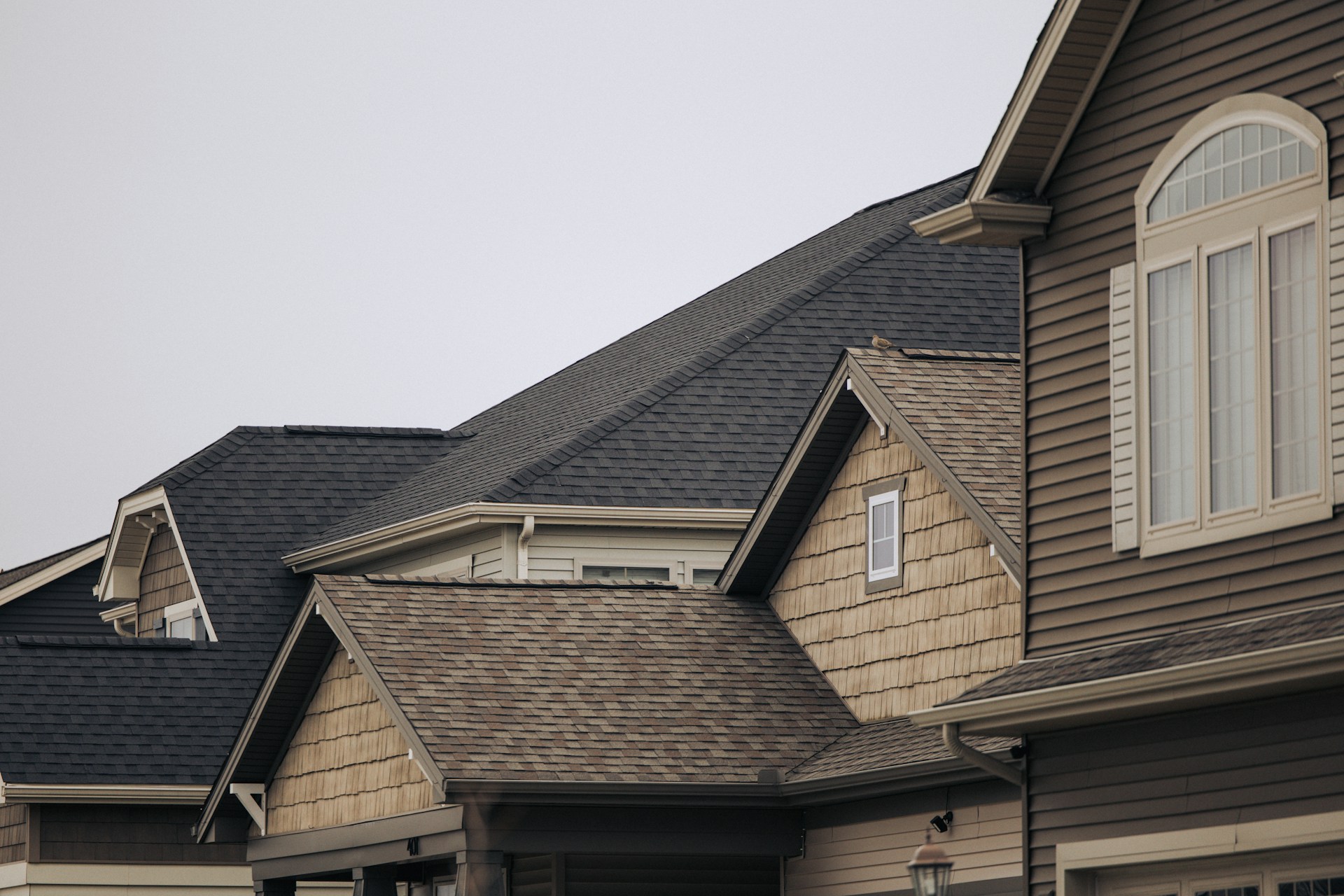
What to Do When Your Roof Leaks During Rain or Snow Melt in Red Deer
A guide for Red Deer homeowners dealing with sudden roof leaks, water stains, dripping ceilings, or snow melt moisture before the damage gets worse.
A leaking roof is stressful at any time, but it can feel even more urgent when it happens during heavy rain or spring snow melt in Red Deer. Water may start dripping through the ceiling, stains may appear around light fixtures, or moisture may show up along walls, attic spaces, or exterior overhangs. When that happens, the most important thing is to act quickly, reduce interior damage, and arrange a proper roof assessment before the leak spreads.
Red Deer homes deal with a tough mix of winter snow, freeze-thaw cycles, spring melt, wind, hail, and summer storms. That combination can expose weak spots in shingles, flashing, vents, valleys, eaves, and roof penetrations. Even a small roof leak can lead to bigger problems if water reaches insulation, attic framing, drywall, or electrical areas.
Here is what to do when your roof leaks during rain or snow melt in Red Deer.
Start by Containing the Water Inside Your Home
The first step is to limit the damage inside your home. Place a bucket, bin, or large container under the active drip. If water is spreading across the ceiling instead of dripping in one clear spot, lay towels or plastic sheeting on the floor to protect flooring, furniture, and valuables.
Move anything that can be damaged by moisture, including electronics, rugs, clothing, wood furniture, and stored items. If the leak is near a light fixture, ceiling fan, outlet, or electrical panel, avoid touching the area and turn off power to that section of the home if it is safe to do so.
For homeowners dealing with active dripping, ceiling stains, or water entering during snow melt, professional leaking roof repair in Red Deer is often the safest next step. A temporary cleanup may reduce visible damage, but the source of the leak still needs to be found and repaired.
Relieve Ceiling Pressure If Water Is Bulging
If your ceiling is sagging or forming a water-filled bubble, that means water is collecting above the drywall. This can become heavy and may cause more damage if it suddenly releases on its own.
Place a bucket underneath the lowest point of the bulge. Then, if it is safe and the area is away from electrical fixtures, a small controlled puncture can allow the water to drain into the container instead of spreading across the ceiling. This does not fix the roof leak, but it can reduce the chance of a larger ceiling failure.
After draining the water, avoid pushing, cutting, or tearing away ceiling material. The area should dry properly and be inspected once the roof leak source is addressed.
Do Not Climb Onto a Wet, Snowy, or Icy Roof
When a roof starts leaking, many homeowners want to climb up and check the problem themselves. During rain, snow melt, ice buildup, or winter conditions, this can be extremely dangerous.
Wet shingles, icy eaves, snow-covered valleys, and slick ladders create serious fall risks. In many cases, the visible leak inside your home is not directly below the roof problem anyway. Water can enter through one area, travel along rafters or insulation, and appear somewhere else inside the house.
Instead of getting on the roof, take photos of the interior damage and note when the leak happens. Does it occur during rain? Only during snow melt? Near a chimney, skylight, bathroom fan, or roof valley? These details can help during professional roof inspections in Red Deer and make it easier to identify the source.
Document the Damage
Before cleaning everything up, take clear photos and videos of the leak. Capture water stains, dripping areas, wet flooring, damaged belongings, ceiling bubbling, attic moisture, and any visible exterior issues from the ground.
Documentation is useful for repair planning and may also help if you need to contact your insurance provider. Keep notes about the date, weather conditions, and how long the leak lasted. For example, a roof leaking during heavy rain may point to damaged shingles or flashing, while a roof leaking during snow melt may suggest ice dams, trapped meltwater, or attic ventilation issues.
Check the Attic If It Is Safe
If you can access your attic safely, check for moisture using a flashlight. Look for wet insulation, dark stains on roof decking, dripping around vents, frost buildup, damp rafters, or water trails.
Do not step between attic joists, disturb wet insulation, or touch electrical wiring. The goal is only to observe and gather information. If you see active dripping, widespread staining, mould-like growth, or saturated insulation, the leak should be handled quickly.
Attic leaks are especially common during Red Deer snow melt because warm air from the home can contribute to uneven melting, ice buildup, and trapped water around the eaves.
Why Roofs Leak During Rain in Red Deer
Rain-related roof leaks usually happen when water finds a weak point in the roofing system. Common causes include missing shingles, lifted shingles, cracked sealant, damaged flashing, clogged gutters, poor drainage, exposed nail heads, worn roof vents, or deteriorated roof valleys.
Red Deer storms can bring wind-driven rain, which pushes water under vulnerable shingles and flashing. A roof that seems fine during light rain may leak during heavier storms because wind changes how water moves across the roof.
Common rain leak sources include:
Damaged or missing shingles
Cracked vent boots
Loose flashing around chimneys or walls
Worn sealant around roof penetrations
Clogged gutters causing water backup
Damaged valleys where roof sections meet
Aging asphalt shingles that no longer shed water properly
A rain leak should not be ignored just because it stops when the weather clears. If water entered once, it can enter again.
Why Roofs Leak During Snow Melt
Snow melt roof leaks are common in colder climates because the water behaves differently than rain. Snow can sit on the roof for days or weeks, then melt slowly as temperatures rise or heat escapes from the attic. If meltwater cannot drain properly, it can work its way under shingles, around flashing, or through vulnerable eaves.
In Red Deer, freeze-thaw cycles can make this worse. Meltwater may thaw during the day, refreeze overnight, and create ice buildup along roof edges. This can trap water behind ice and force it into areas that are not designed to hold standing moisture.
Snow melt leaks may be caused by:
Ice dams along the eaves
Poor attic ventilation
Heat loss from the home into the attic
Heavy snow buildup around roof valleys
Blocked gutters or downspouts
Damaged flashing
Aging shingles
Poor previous roof installation
Worn underlayment near the roof edge
If your roof only leaks during snow melt, the issue may not be a simple shingle problem. It may involve ventilation, insulation, drainage, or ice dam protection.
Avoid Temporary Fixes That Can Make the Problem Worse
It can be tempting to seal the leak yourself with caulking, tar, tape, or roof patch products. While some temporary measures may seem helpful, they can also trap moisture, hide the real problem, or make future repairs harder.
Avoid sealing random areas without knowing where the water is entering. Roof leaks often travel, which means the ceiling stain may be far from the actual exterior problem. Covering the wrong area does not stop the leak and may delay proper repair.
You should also avoid removing shingles, chopping ice off the roof, or using sharp tools around eaves and gutters. These actions can damage the roof surface and create more entry points for water.
When a Roof Leak Is an Emergency
A roof leak should be treated as urgent if water is actively dripping, spreading quickly, affecting electrical fixtures, entering multiple rooms, soaking insulation, or causing ceiling sagging. It is also more serious if the leak appears during every rainstorm or every snow melt cycle.
Call for professional help quickly if you notice:
Water dripping through the ceiling
Brown or yellow ceiling stains getting larger
Wet insulation in the attic
Water near lights, outlets, or wiring
Sagging drywall
Damp walls or baseboards
Mould-like odours after a leak
Repeated leaks in the same area
Ice buildup along the roof edge
Missing or lifted shingles after wind
The sooner the source is found, the easier it is to reduce damage and prevent the leak from becoming more expensive.
Why a Professional Roof Inspection Matters
A roof leak is not always obvious from the outside. The issue may be hidden under snow, behind flashing, beneath shingles, inside a roof valley, or around a small roof penetration. That is why a proper inspection matters.
A professional roofer can assess the shingles, flashing, vents, valleys, gutters, underlayment, attic ventilation, and signs of moisture movement. This helps determine whether the leak can be repaired in one area or whether there are larger roof system issues that need attention.
For Red Deer homeowners, a leak inspection is especially important after heavy snow, rapid melting, spring thaw, wind storms, hail, or long periods of freezing and thawing.
Should You Repair or Replace a Leaking Roof?
Not every roof leak means you need a full roof replacement. Many leaks can be repaired if the damage is limited to a small area, such as a vent boot, flashing section, missing shingle, or isolated valley issue.
However, replacement may be worth considering if the roof is older, leaking in multiple areas, showing widespread shingle deterioration, or experiencing recurring problems after previous repairs. If water is entering because the roofing system has reached the end of its lifespan, repeated patching may only delay the bigger issue.
A professional assessment can help determine the most practical option based on the age of the roof, the type of damage, the condition of the shingles, and how much moisture has already entered the home.
How to Reduce the Risk of Future Roof Leaks
Once the immediate leak is handled, prevention becomes important. Red Deer weather can be hard on roofing systems, so regular maintenance helps catch small issues before they become active leaks.
Homeowners can reduce future leak risk by keeping gutters clear, watching for lifted or missing shingles, checking for attic frost, trimming branches near the roof, removing heavy debris, and scheduling roof inspections after major storms or heavy snow seasons.
It is also smart to look for signs of water damage inside the home, including ceiling stains, peeling paint, damp attic insulation, musty smells, or moisture around skylights and vents.
Get Roof Leaks Fixed Before the Damage Spreads
A roof leak during rain or snow melt should never be ignored. Even if the dripping stops, water may still be trapped in insulation, drywall, attic spaces, or roof decking. Acting quickly can help protect your home from further damage and prevent a small leak from turning into a larger roofing problem.
If your roof is leaking during rain, spring thaw, or snow melt in Red Deer, arrange a professional inspection and repair as soon as possible. The right roofing team can find the source, explain the damage, complete the repair, and help protect your home from the next storm or melt cycle.
Have a roofing project in Red Deer, Blackfalds, Sylvan Lake, Penhold, Lacombe, or other Central Alberta areas? Give us a call and we'd be happy to help with your project!