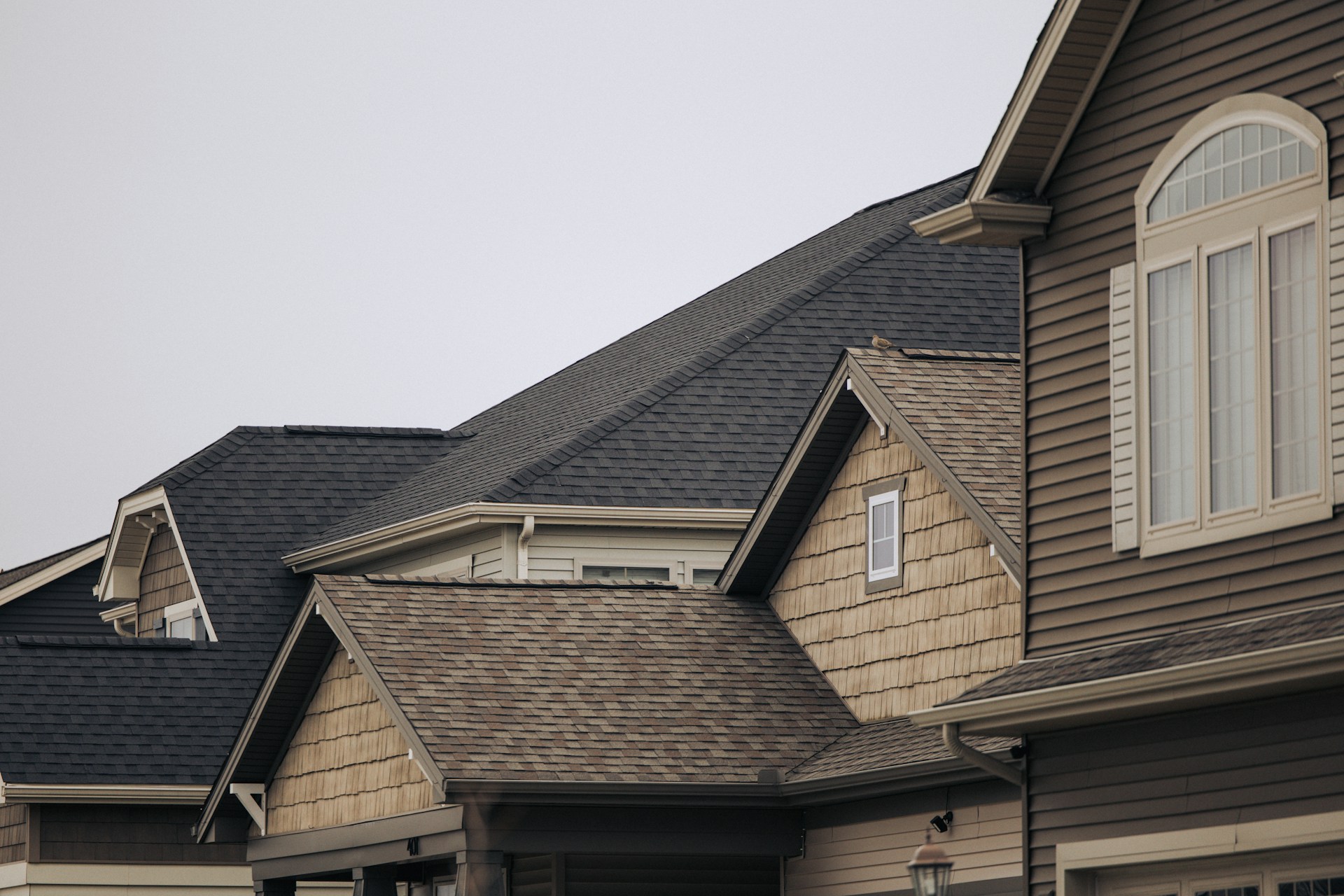
How much snow can a roof hold?
Heavy snow, wet snow, and freeze-thaw cycles can put serious stress on Red Deer and Central Alberta roofs. Here’s when snow buildup becomes a concern and when to schedule a professional roof inspection.
For homeowners in Red Deer and Central Alberta, winter roof safety is a real concern. A roof may look strong from the ground, but heavy snowfall, drifting snow, compacted layers, ice buildup, and sudden snow melt can all add weight and stress to the structure. That leaves many homeowners asking the same question after a major winter storm: how much snow can a roof hold?
The answer depends on several factors, including the roof’s age, design, slope, materials, condition, and how much moisture is in the snow. Light, fluffy snow may not be a major issue, but wet, compacted snow can become extremely heavy. In Central Alberta, where roofs deal with cold snaps, warm melt periods, wind, and repeated freeze-thaw cycles, snow buildup should never be ignored.
If you are unsure whether your roof is handling winter conditions properly, scheduling Roof Inspections in Red Deer is one of the safest ways to catch problems before they become serious.
How Much Snow Can a Roof Usually Hold?
Most roofs are built to handle a reasonable amount of snow, especially in climates like Alberta where winter conditions are expected. However, there is no single number that applies to every home. A newer, properly built roof in good condition will usually handle snow better than an older roof with damaged shingles, poor ventilation, moisture issues, sagging areas, or previous structural wear.
As a general rule, snow weight matters more than snow depth. A few inches of wet, heavy snow can put more stress on a roof than a larger amount of dry, powdery snow. Ice buildup also adds extra weight and can trap water where it should be draining away.
The safest way to think about snow load is this: if snow has built up heavily, become wet and compacted, or is sitting unevenly on your roof, it is worth paying attention.
Why Central Alberta Snow Can Be Hard on Roofs
Red Deer and Central Alberta roofs deal with more than just snowfall. Local winter conditions can create a cycle of snow accumulation, partial melting, refreezing, and ice buildup. This is especially hard on older roofs, low-slope areas, valleys, gutters, and areas with poor attic ventilation.
Common winter roofing issues in Central Alberta include:
Heavy snow sitting on the roof for extended periods
Wind-blown snow drifting into uneven piles
Ice dams forming near the roof edge
Snow melt backing up under shingles
Water leaking into the attic or ceiling
Freeze-thaw damage around flashing, vents, and roof valleys
Extra stress on flat or low-slope roofing systems
This is why winter roof care is not just about how much snow is on the roof. It is also about how that snow behaves as temperatures change.
For homeowners who want to prevent seasonal damage, Roof Maintenance in Red Deer can help address small problems before winter weather turns them into expensive repairs.
Wet Snow vs. Dry Snow: Why Weight Matters More Than Depth
One of the biggest mistakes homeowners make is judging roof safety by snow depth alone. A roof with one foot of light, dry snow may be under far less pressure than a roof with several inches of wet, compacted snow mixed with ice.
Dry snow is usually lighter and easier for a roof to manage. Wet snow holds more moisture, making it significantly heavier. Ice is heavier still and can add concentrated weight in gutters, valleys, edges, and low spots.
This is especially important after a warm spell, snowfall followed by rain, or a chinook-style melt-and-freeze cycle. Snow that looked harmless when it first landed can become much heavier after it compresses, absorbs moisture, or freezes into hard layers.
Signs Your Roof May Have Too Much Snow
Too much snow on a roof can lead to leaks, structural stress, and in severe cases, dangerous roof failure. While most homes will not have an immediate issue after every snowfall, there are warning signs that should be taken seriously.
Watch for:
Sagging rooflines or uneven-looking roof sections
New cracks in ceilings or walls
Doors or windows suddenly sticking
Water stains on ceilings
Leaks during snow melt
Heavy ice buildup along the eaves
Large snow drifts sitting in one area of the roof
Unusual creaking or popping sounds
Visible dips in flat or low-slope roofing areas
If you notice water entering the home during a thaw, the issue may be connected to snow melt, ice dams, flashing damage, or compromised shingles. In that case, it may be time to look into Leaking Roof Repair in Red Deer before the damage spreads.
Should You Remove Snow From Your Roof?
In some cases, removing snow from a roof can reduce stress and help prevent water issues. However, roof snow removal can be dangerous if it is done incorrectly. Climbing onto an icy roof, using sharp tools, or removing snow unevenly can cause injuries or damage the roofing material.
You may want to consider professional help if:
Snow is unusually deep or wet
Ice dams are forming
The roof is leaking during thaw periods
Snow is drifting heavily on one side
The roof is flat or low-slope
The home is older or has known roofing issues
You see warning signs of structural stress
For many homeowners, the safer option is not to climb onto the roof, but to have the roof assessed by a professional. A roofer can check the condition of the shingles, flashing, ventilation, attic moisture, drainage, and visible stress points.
Flat Roofs and Commercial Roofs Need Extra Attention
Flat and low-slope roofs often require more attention during heavy snow periods because they do not shed snow as easily as steep-sloped roofs. Snow can collect in low areas, around drains, near rooftop equipment, and along parapet walls. If drainage becomes blocked by ice or debris, meltwater may sit on the roof and increase the risk of leaks.
This is especially important for businesses, warehouses, shops, and multi-unit properties in Red Deer. Commercial roofs often have larger surface areas, more rooftop equipment, and different drainage needs than residential roofs.
If your property has a low-slope or flat roofing system, Flat Roofing in Red Deer is an important service to consider for winter inspections, drainage checks, and snow-related roofing concerns. For business owners and property managers, Commercial Roofing in Red Deer can help identify snow load risks before they disrupt operations.
Can Heavy Snow Cause Roof Leaks?
Yes, heavy snow can contribute to roof leaks, especially when combined with ice dams, poor ventilation, damaged shingles, clogged gutters, or flashing problems. Snow may sit on the roof for days or weeks, then melt during warmer weather. If water cannot drain properly, it can work its way under shingles, into roof valleys, around vents, or through weak points in the roofing system.
This is why some homeowners only notice a leak during snow melt rather than during the original snowfall. The roof may seem fine during cold weather, then suddenly show water stains when temperatures rise.
For a deeper look at this specific problem, link readers to What to Do When Your Roof Leaks During Rain or Snow Melt in Red Deer.
How Red Deer Weather Damages Roofs Over Time
Snow load is only one part of winter roofing damage. Red Deer roofs are also exposed to wind, hail, ice, UV exposure, temperature swings, and repeated freeze-thaw cycles. Over time, these conditions can weaken shingles, loosen flashing, damage seals, and create small openings where water can enter.
A roof that handled snow well five years ago may not perform the same way today if shingles are aging, ventilation is poor, or previous storm damage was never repaired. That is why routine roof checks matter, especially before and after harsh winter seasons.
For more supporting information, this article can naturally link to How Red Deer Weather Damages Your Roof Over Time.
When Should You Schedule a Roof Inspection After Heavy Snow?
You should consider a roof inspection after heavy snow if you notice leaks, sagging, ice dams, ceiling stains, unusually heavy snow buildup, or signs that your roof is not draining properly. It is also a smart idea to schedule an inspection if your roof is older, has had previous repairs, or has not been checked in several years.
A professional roof inspection can help identify:
Snow or ice-related shingle damage
Leaks caused by snow melt
Flashing issues
Poor attic ventilation
Ice dam risk
Sagging or soft areas
Drainage problems on flat roofs
Damage around vents, chimneys, and roof valleys
Catching these issues early can help you avoid larger repairs later in the season.
Final Thoughts: How Much Snow Is Too Much?
So, how much snow can a roof hold? The answer depends on your roof’s design, condition, age, slope, and the type of snow sitting on it. In Red Deer and Central Alberta, wet snow, ice buildup, drifting, and freeze-thaw cycles can all make snow load more serious than it appears from the ground.
If the snow is light and your roof is in good condition, it may not be a concern. But if the snow is wet, compacted, uneven, or causing leaks, sagging, or ice buildup, it is worth having the roof checked.
When in doubt, do not climb onto a slippery roof or guess from the ground. A professional winter roof inspection can help determine whether the snow buildup is safe, whether repairs are needed, and how to protect your home through the rest of the season.
Have a roofing project in Red Deer, Blackfalds, Sylvan Lake, Penhold, Lacombe, or other Central Alberta areas? Give us a call and we'd be happy to help with your project!