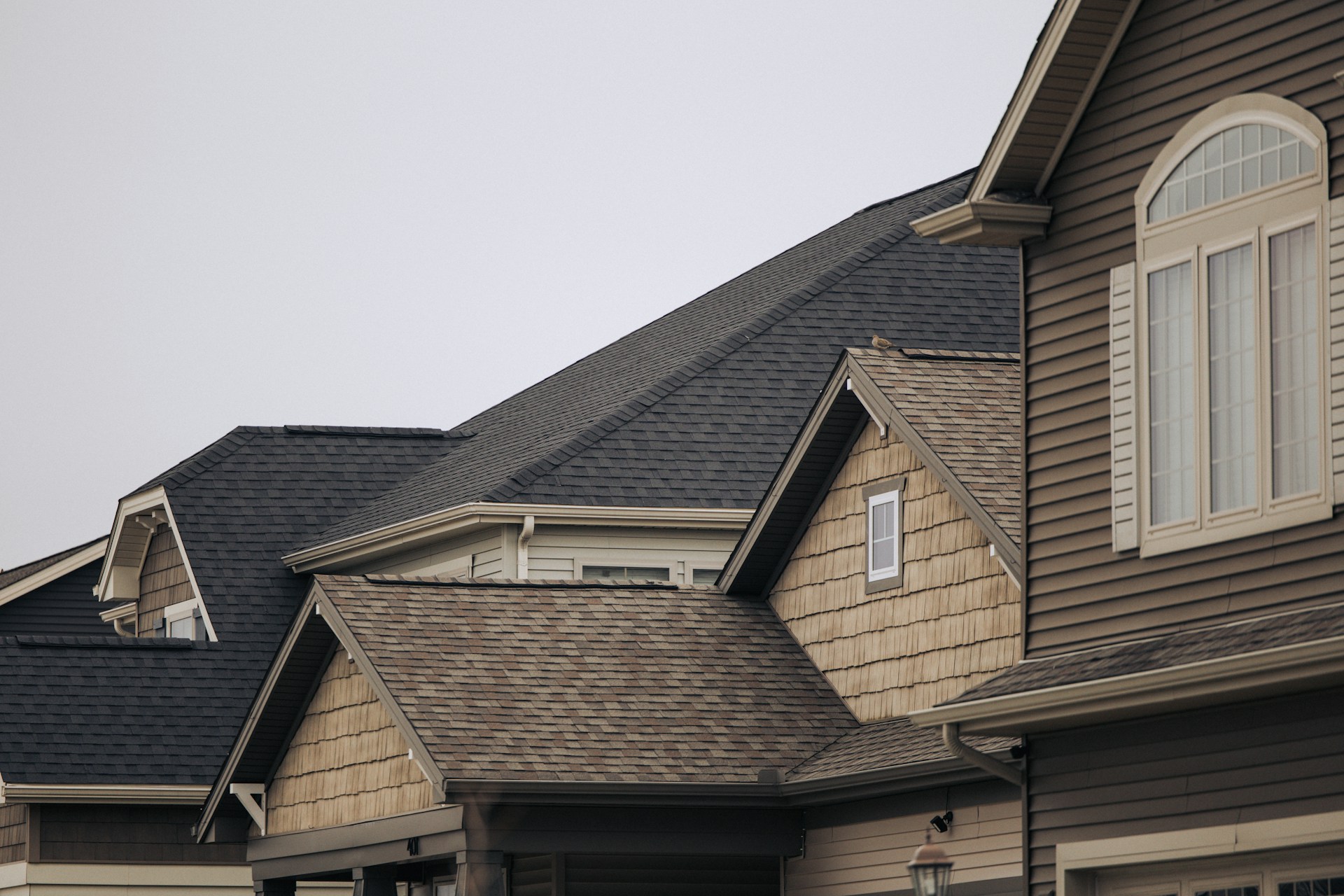
How Red Deer Weather Damages Your Roof Over Time
From freeze-thaw cycles and heavy snow to hail, wind, and summer heat, Red Deer weather can slowly wear down your roof long before major damage becomes obvious.
Red Deer homeowners know how unpredictable Alberta weather can be. One week can bring heavy snow, the next can bring melting temperatures, and by summer, your roof may be dealing with hail, strong winds, intense sun, and sudden storms. While a roof is built to protect your home from the elements, constant exposure to Red Deer weather can slowly weaken shingles, flashing, vents, gutters, and the roof deck underneath.
The challenge is that weather damage does not always show up as an obvious leak right away. In many cases, small issues develop gradually over months or years. A few lifted shingles, cracked sealant, loose flashing, or minor granule loss can eventually turn into water damage, insulation problems, or costly repairs if ignored.
Understanding how Red Deer weather damages your roof over time can help you catch problems earlier and know when it may be time to schedule Roof Inspections in Red Deer.
Why Red Deer Weather Is Hard on Roofing Systems
Roofing in Red Deer has to handle a wide range of conditions throughout the year. Winter brings snow, ice, and freezing temperatures. Spring often creates rapid melting and freeze-thaw cycles. Summer can bring hail, UV exposure, wind, and sudden temperature changes. Fall adds leaves, moisture, and preparation for another winter season.
This mix of weather puts stress on nearly every part of the roof, including:
Asphalt shingles
Metal roofing panels
Roof vents
Flashing around chimneys and walls
Valleys and drainage areas
Gutters and downspouts
Attic ventilation
Underlayment and roof decking
Even if your roof looks fine from the ground, these components can slowly wear down after years of exposure to Central Alberta weather.
Freeze-Thaw Cycles Can Weaken Your Roof
One of the biggest causes of gradual roof damage in Red Deer is the freeze-thaw cycle. This happens when snow or ice melts during the day, then refreezes when temperatures drop again overnight.
When water gets into small gaps around shingles, flashing, or roof edges, it can expand as it freezes. Over time, that expansion can make tiny openings larger. This can loosen shingles, push materials apart, and create weak spots where moisture can eventually enter the home.
Freeze-thaw damage is especially common around roof valleys, eaves, skylights, chimneys, vents, and other areas where water naturally collects or drains.
Signs of freeze-thaw roof damage may include curling shingles, cracked sealant, loose flashing, water stains inside the home, or ice buildup along the edges of the roof.
Snow Loads Add Weight and Moisture
Red Deer roofs are built with winter in mind, but heavy snow can still create stress over time. Snow adds weight to the roofing system, especially if it piles up unevenly or stays on the roof for long periods.
As snow melts, water can flow into vulnerable areas. If gutters are blocked or ice forms near the roof edge, melting snow may have nowhere to drain properly. This increases the chance of water backing up under shingles or pooling in low-slope areas.
Snow-related roof damage does not always happen all at once. More often, it develops slowly through repeated winters. That is why regular Roof Maintenance in Red Deer is important, especially before and after the coldest months of the year.
Ice Dams Can Lead to Hidden Leaks
Ice dams form when heat from inside the home causes snow on the roof to melt. That water runs down toward the colder roof edge and refreezes. As more melting and refreezing happens, a ridge of ice can form near the eaves.
Once an ice dam forms, water can get trapped behind it. Instead of draining off the roof, that water may work its way under shingles and into the roofing layers below.
Ice dam damage can be tricky because the leak may not appear directly below the problem area. Water can travel along rafters, insulation, or interior surfaces before showing up as a ceiling stain.
Common signs of ice dam issues include icicles along the eaves, wet insulation, peeling paint, ceiling stains, or recurring leaks during snow melt.
Hail Can Damage Shingles and Reduce Roof Lifespan
Hail is one of the most obvious weather threats to roofs in Red Deer and Central Alberta. Even when hail does not create an immediate leak, it can shorten the life of your roof by damaging the protective surface of the shingles.
Asphalt shingles rely on granules to protect them from sun exposure and weathering. When hail knocks granules loose, the asphalt layer underneath becomes more exposed. Over time, this can cause faster aging, cracking, and deterioration.
Hail damage may look like dark spots, bruised shingles, dents on vents or flashing, loose granules in gutters, or small impact marks across the roof surface.
After a major hailstorm, it is usually wise to book an inspection rather than assuming the roof is fine from the ground.
Strong Winds Can Lift and Loosen Shingles
Red Deer wind can also damage roofing systems, especially on older roofs or homes exposed to open areas. Wind can lift shingles, break the seal between shingle layers, loosen nails, and expose the roof to moisture.
Once a shingle is lifted or partially torn, rain and melting snow can get underneath it. Even a small opening can become a bigger issue after repeated wind events.
Wind damage may include missing shingles, lifted edges, creased shingles, exposed underlayment, loose flashing, or debris on the roof.
If you notice shingles in your yard or visible lifting along the roofline, it may be time to call a roofer before the next storm causes further damage.
Summer Heat and UV Rays Cause Roof Aging
Roof damage is not only a winter problem. Summer heat and UV exposure can dry out roofing materials over time. Asphalt shingles may become brittle, faded, curled, or cracked after years of sun exposure.
Temperature swings can also cause roofing materials to expand and contract. This movement may loosen fasteners, weaken sealants, and create small gaps around penetrations.
South-facing roof slopes often show signs of sun damage sooner because they receive more direct sunlight throughout the day.
Common signs of sun-related roof aging include faded shingles, brittle edges, curling, cracking, and excessive granule loss.
Rain and Poor Drainage Can Expose Weak Spots
Rain may seem less severe than snow or hail, but it often reveals existing roof problems. If flashing is loose, shingles are damaged, or roof valleys are clogged, rainwater can find its way into vulnerable areas.
Gutters also play an important role. When gutters are clogged, damaged, or sloped incorrectly, water may overflow near the roof edge or foundation. This can contribute to fascia damage, soffit problems, and moisture issues around the home.
If your roof only leaks during heavy rain or wind-driven rain, that may point to a small opening around flashing, vents, shingles, or roof transitions.
Weather Damage Often Builds Up Slowly
One of the biggest mistakes homeowners make is waiting until a roof leak becomes obvious. By the time water is dripping into the home, the roof may already have hidden damage beneath the surface.
Weather-related roof damage often begins with small issues such as:
Minor granule loss
Lifted shingle corners
Cracked caulking
Rusted flashing
Loose vent seals
Blocked valleys
Damaged gutters
Small gaps around penetrations
Individually, these problems may seem minor. But after repeated exposure to Red Deer weather, they can lead to water intrusion, mould risk, insulation damage, and more expensive repairs.
How Different Roofing Materials Handle Red Deer Weather
Not every roofing material reacts to weather the same way. Asphalt shingles are common and cost-effective, but they can be affected by granule loss, curling, and wind damage over time. Metal roofing can perform well in snow and wind, but installation quality, fasteners, and flashing details are still important.
The right roofing material depends on your home, budget, roof slope, location, and long-term maintenance expectations. Homeowners comparing options may also want to review What roofing material is best for Central Alberta weather? before choosing a replacement.
When Should You Check Your Roof for Weather Damage?
You do not need to climb onto your roof to spot early warning signs. In fact, it is safer to inspect from the ground or call a professional if you suspect damage.
You should consider checking your roof after:
A major hailstorm
Heavy wind
A long freeze-thaw period
A winter with heavy snow buildup
Spring snow melt
Visible shingle loss
New ceiling stains or attic moisture
Finding granules in gutters or downspouts
A professional roof inspection can identify whether the damage is minor, urgent, or a sign that the roof is nearing the end of its lifespan.
How to Protect Your Roof from Red Deer Weather
You cannot control the weather, but you can reduce the risk of serious roof damage by staying ahead of maintenance. Keeping gutters clear, removing debris from roof valleys, checking attic ventilation, repairing small issues early, and scheduling seasonal inspections can all help extend the life of your roof.
Homeowners should also pay attention to attic conditions. Poor ventilation can make winter ice damming worse and contribute to premature shingle aging in summer. A healthy roofing system depends on more than just the shingles you can see from outside.
Final Thoughts
Red Deer weather can damage your roof in several ways over time. Snow, ice, hail, wind, rain, UV rays, and freeze-thaw cycles all create stress on roofing materials. While one storm may not always cause obvious damage, repeated exposure can slowly weaken your roof and lead to leaks, structural issues, or early replacement.
The best way to avoid expensive surprises is to watch for early signs of weather damage and deal with small roofing problems before they grow. If your roof has been through heavy snow, hail, strong wind, or years of Alberta weather, a professional inspection can help you understand its current condition and what steps to take next.
Have a roofing project in Red Deer, Blackfalds, Sylvan Lake, Penhold, Lacombe, or other Central Alberta areas? Give us a call and we'd be happy to help with your project!