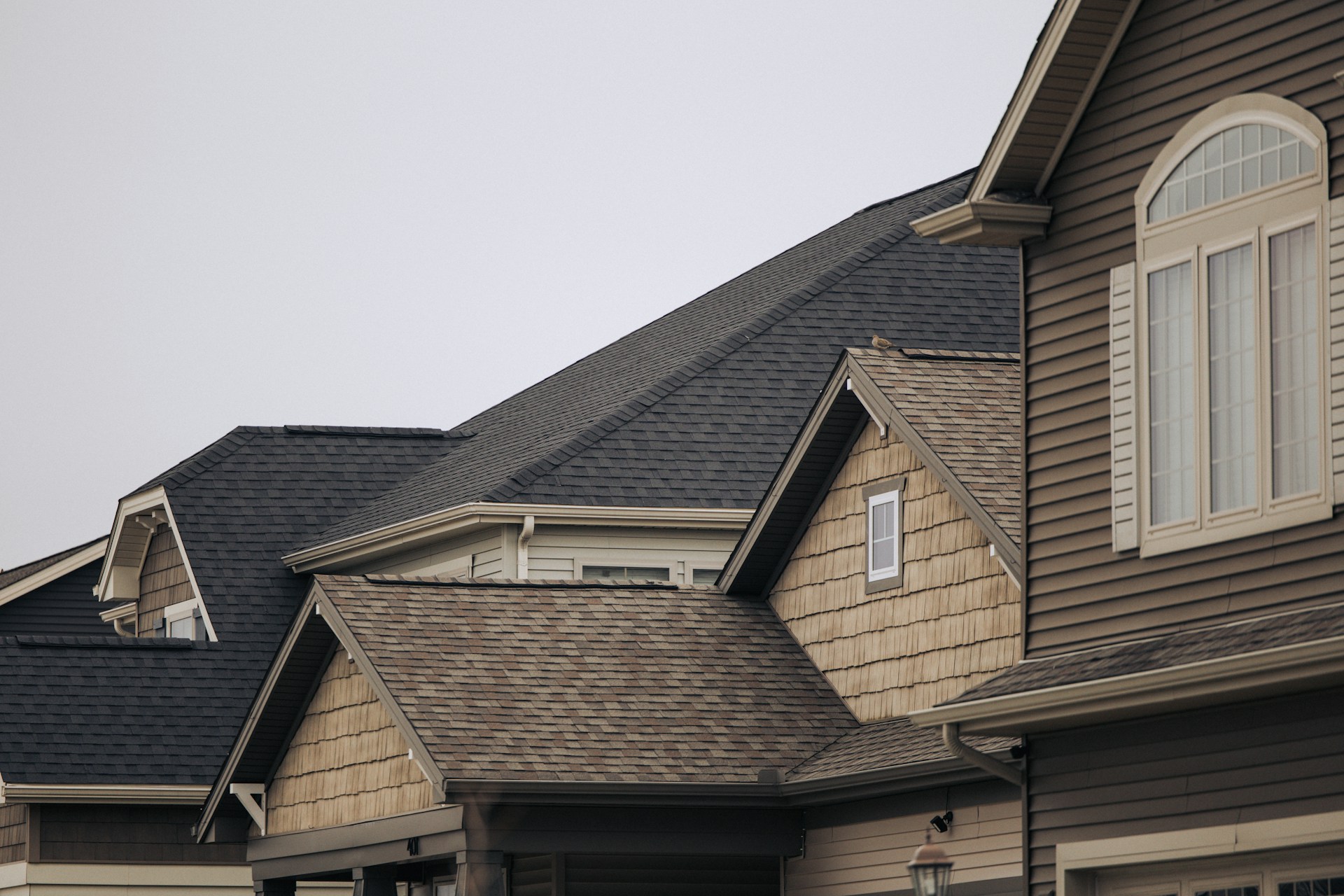
The Most Common Roof Damage Signs Red Deer Homeowners Should Watch For
Learn how to spot early roof damage before small issues turn into costly leaks, structural problems, or full roof replacement.
Common Roof Damage Signs Red Deer Homeowners Should Know
Roof damage is not always obvious from the ground. In Red Deer, roofs deal with heavy snow, wind, hail, ice buildup, freeze-thaw cycles, and strong summer sun, which can all wear down roofing materials over time. Small issues like lifted shingles or cracked flashing can quickly become bigger problems if water starts getting under the roofing system.
Knowing the most common roof damage signs can help homeowners act early. Whether you notice missing shingles, water stains, granules in the gutters, or signs of sagging, it is important to understand what these warning signs mean and when to call a roofing professional.
Missing, Lifted, or Curling Shingles
One of the most common signs of roof damage is missing, lifted, cracked, or curling shingles. Asphalt shingles are designed to protect the roof deck from moisture, but once they become loose or damaged, water can find its way underneath.
Red Deer homes are especially vulnerable to shingle damage after strong wind, hail, snow melt, and rapid temperature changes. If shingles are curling at the edges, lifting away from the roof, or missing entirely, the roof may no longer be properly sealed.
A few damaged shingles may only require repair, but widespread shingle problems can be a sign that the roof is aging or losing its ability to protect the home.
Granules in Gutters or Around Downspouts
Asphalt shingles are covered with protective granules that help defend against UV rays, weather exposure, and impact damage. Over time, these granules naturally wear away, but heavy granule loss is a warning sign.
Homeowners may notice dark, sand-like material collecting in gutters, around downspouts, or at the base of the home. This can happen after hail, heavy rain, snow movement, or general aging.
When shingles lose too many granules, they become more exposed and less effective. This can lead to faster deterioration, cracking, and future leaks. If granule loss appears heavy or sudden, it may be time to schedule Roof Inspections in Red Deer to understand the full condition of the roof.
Water Stains on Ceilings or Walls
Interior water stains are one of the clearest signs that roof damage may already be allowing moisture into the home. These stains often appear as yellow, brown, or darker patches on ceilings, walls, around light fixtures, or near attic access points.
A roof leak does not always appear directly below the damaged area. Water can travel along rafters, insulation, or structural materials before showing up inside the home. That is why even a small ceiling stain should not be ignored.
In Red Deer, water stains may appear after heavy rain, spring snow melt, or ice damming. If moisture is getting inside, the issue should be addressed quickly to help prevent insulation damage, mould growth, and more expensive repairs.
Leaks During Rain or Snow Melt
A visible leak is an urgent sign that the roof system is compromised. Even if the leak only happens during major storms or warm snow melt, it usually means water has found a pathway through damaged shingles, flashing, vents, or roof valleys.
Some homeowners assume a small leak can wait, but roofing leaks often get worse over time. Water can weaken wood, damage drywall, reduce insulation performance, and create hidden moisture problems.
If your roof leaks during rain, thawing snow, or rapid freeze-thaw weather, it is a strong sign that professional Roof Repair in Red Deer may be needed before the damage spreads.
Damaged Flashing Around Chimneys, Vents, and Roof Edges
Flashing is the metal material installed around roof penetrations and transition points, including chimneys, vents, skylights, valleys, and roof edges. Its job is to direct water away from vulnerable areas.
When flashing becomes cracked, bent, loose, rusted, or separated from the roof surface, water can slip underneath. Damaged flashing is one of the most common causes of roof leaks because these areas are naturally more exposed to water movement.
Red Deer’s wind, snow, and ice can put extra stress on flashing over time. If you notice gaps, lifted edges, or water staining near chimneys or vents, the flashing should be inspected.
Sagging Rooflines or Uneven Areas
A sagging roofline is a serious warning sign. While some older homes may have slight settling, visible dips, waves, or soft-looking areas can indicate moisture damage, structural weakness, or an overloaded roof system.
Sagging may be caused by long-term leaks, trapped moisture, poor ventilation, excessive snow load, or weakened decking. This type of roof damage should never be ignored, especially in Central Alberta where snow accumulation can add significant weight during winter.
If a section of your roof appears uneven, bowed, or soft, avoid walking on it and arrange a professional inspection as soon as possible.
Moss, Algae, or Excess Debris Buildup
Moss and algae may seem like cosmetic problems, but they can contribute to roof damage when left untreated. Moss can hold moisture against shingles, especially in shaded areas, which may lead to faster wear and shingle lifting.
Debris such as leaves, branches, pine needles, or dirt can also trap moisture in roof valleys and gutters. When water cannot drain properly, it can back up under shingles or freeze during colder weather.
Keeping the roof surface and gutters clear helps reduce moisture-related damage and allows water to move off the roof properly.
Damaged or Clogged Gutters
Roof damage is not limited to shingles. Gutters are an important part of the roofing system because they move water away from the home. When gutters are damaged, sagging, clogged, or pulling away from the fascia, water can overflow and affect the roof edge.
Signs of gutter-related roof problems include:
Water spilling over the sides of gutters
Ice buildup near the roof edge
Rotting fascia boards
Staining on siding
Pooling water near the foundation
Shingle damage along the lower roof edge
In Red Deer, clogged gutters can become a bigger problem during snow melt and freeze-thaw cycles. Proper drainage helps protect both the roof and the rest of the home.
Higher Energy Bills or Poor Attic Ventilation
Not all roof damage is visible from the outside. Sometimes, roofing problems show up as poor ventilation, uneven indoor temperatures, or rising energy bills.
If the attic is not properly ventilated, heat and moisture can build up under the roof deck. This can contribute to condensation, mould, shingle deterioration, and ice dam formation in winter.
Signs of ventilation or attic-related roofing issues may include frost in the attic, damp insulation, musty smells, or rooms that are difficult to heat or cool. A professional inspection can help determine whether the issue is related to roofing, ventilation, insulation, or a combination of factors.
Hail, Wind, and Storm Damage
Red Deer roofs can take a beating from harsh weather. Hail can bruise shingles, loosen granules, dent metal components, and weaken the roof surface. Wind can lift shingles, expose fasteners, or damage roof edges. Heavy rain can reveal weak points that were already developing.
After a major storm, homeowners should look for signs such as missing shingles, dents on vents or flashing, granules around downspouts, loose materials, or new water stains inside the home.
Some storm damage is subtle and may not cause an immediate leak. However, once shingles are weakened, future weather can make the problem worse. For more information on how local conditions affect roofing systems, homeowners can read How Red Deer Weather Damages Your Roof Over Time.
When Roof Damage Means You Should Call a Professional
Some roof damage signs are more urgent than others. A few worn shingles may not require immediate replacement, but certain warning signs should be checked quickly.
You should call a roofer if you notice:
Active leaking
Missing or lifted shingles
Water stains on ceilings or walls
Sagging roof areas
Heavy granule loss
Damaged flashing
Storm damage after hail or wind
Ice buildup near roof edges
Moisture or frost in the attic
The sooner roof damage is inspected, the easier it is to prevent the issue from spreading. Early repairs can often help homeowners avoid more costly damage to the roof deck, attic, insulation, and interior finishes.
Why Early Roof Damage Detection Matters in Red Deer
Red Deer weather can turn small roofing issues into larger problems quickly. A lifted shingle may allow moisture underneath. That moisture can freeze, expand, thaw, and move deeper into the roof system. Over time, this can damage decking, flashing, insulation, and interior surfaces.
Early detection helps homeowners protect the home, extend the life of the roofing system, and avoid unnecessary replacement costs. It also gives roofing professionals a chance to repair isolated damage before it becomes widespread.
Final Thoughts: Do Not Ignore Roof Damage Signs
The most common roof damage signs Red Deer homeowners should watch for include missing shingles, curling shingles, granule loss, leaks, ceiling stains, damaged flashing, sagging areas, and storm-related wear. Some of these issues may seem minor at first, but they can lead to serious damage if water gets beneath the roof surface.
If you notice any signs of roof damage, the safest next step is to have the roof professionally inspected. A proper inspection can identify the source of the problem, determine whether repair is enough, and help protect your home before the damage becomes more expensive.
For trusted help with roof damage, leaks, missing shingles, and weather-related roofing problems, schedule a professional roofing inspection or repair service in Red Deer today.
Have a roofing project in Red Deer, Blackfalds, Sylvan Lake, Penhold, Lacombe, or other Central Alberta areas? Give us a call and we'd be happy to help with your project!