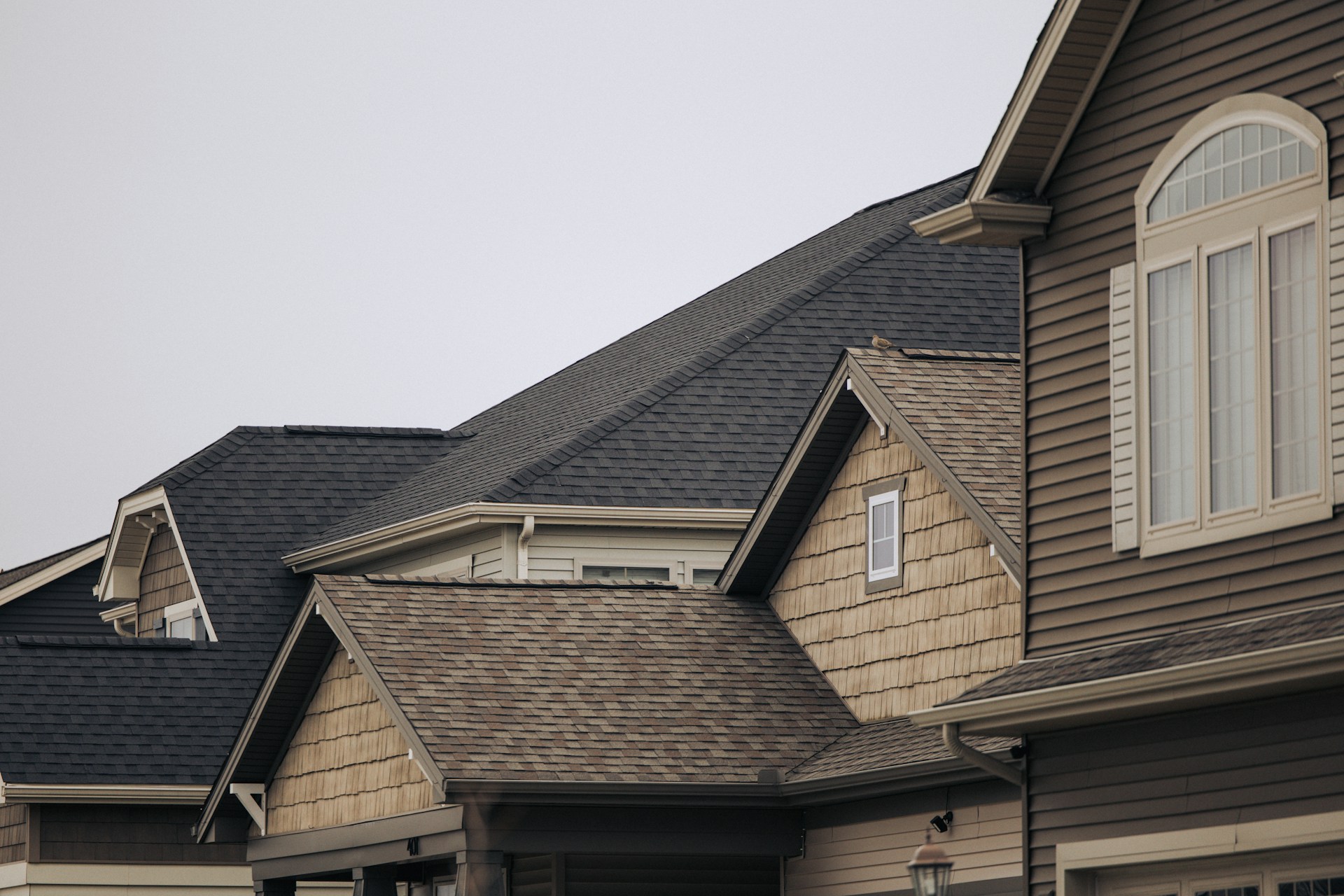
Roof Maintenance Tips for Rural Homes in Central Alberta
Practical ways to protect acreage, farm, and small-town roofs from wind, snow, debris, and seasonal wear.
Rural homes in Central Alberta face a different kind of roofing pressure than homes in town. Open prairie wind, heavy snow drifting, long freeze-thaw cycles, tree debris, and greater exposure to the elements can all wear down a roof faster if small issues are not caught early.
For homeowners around Red Deer, Penhold, Sylvan Lake, Blackfalds, Lacombe, and the surrounding rural areas, regular roof maintenance is one of the best ways to prevent leaks, extend roof life, and avoid expensive repairs. A rural roof does not always need constant work, but it does need consistent attention.
Why Rural Roof Maintenance Matters in Central Alberta
Central Alberta weather can be hard on roofing systems. Strong winds can lift shingles, spring snow melt can expose weak spots, and winter ice buildup can push water into areas it should not reach. Rural homes often have fewer neighbouring buildings to block wind, which means the roof may take the full force of storms and seasonal weather changes.
A roof on an acreage, farm property, or rural home may also be harder to monitor. If the home is surrounded by trees, outbuildings, gravel roads, or open fields, debris and weather damage can build up without being noticed right away. That is why preventative maintenance is especially important for rural properties.
If you want help keeping your roof in good shape year-round, professional roof maintenance in Central Alberta can help catch minor issues before they turn into larger problems.
Check Your Roof After Heavy Wind
Wind is one of the biggest roofing concerns for rural homes in Central Alberta. Homes exposed to open fields, hills, or wide rural roads can experience stronger gusts than homes in denser neighbourhoods.
After major wind, look from the ground for:
Missing shingles
Lifted or curled shingle edges
Loose flashing
Exposed roof decking
Debris on the roof
Shingles or roofing material on the ground
Even one lifted shingle can allow water underneath during rain or snow melt. If you notice signs of damage, it is better to deal with it early instead of waiting until a leak appears indoors.
For homes in more exposed areas, it can also be useful to understand the specific risks of homes exposed to open prairie wind, especially if your property sits near open fields or unprotected rural land.
Keep Gutters and Downspouts Clear
Gutters are easy to overlook, but they play an important role in protecting rural homes. When gutters are full of leaves, branches, pine needles, or grit from shingles, water cannot drain properly. This can lead to overflow, fascia damage, foundation moisture problems, and ice buildup during colder months.
Rural properties with trees nearby may need gutter cleaning more often than homes in newer subdivisions. A good rule of thumb is to check gutters in the spring and fall, and again after major storms.
Make sure downspouts are also directing water away from the home. If water drains too close to the foundation, it can create moisture problems around the house, especially during heavy snow melt.
Watch for Snow Drifting and Ice Buildup
Snow does not always settle evenly on rural roofs. Wind can push snow into valleys, behind chimneys, around dormers, and against roof transitions. These areas can hold moisture longer and increase the chance of ice dams or leaks.
During winter, homeowners should watch for:
Large uneven snow buildup
Ice forming along the roof edge
Icicles near gutters
Water stains on ceilings
Damp attic insulation
Peeling paint near upper walls or ceilings
You do not need to climb onto the roof to check for these issues. Many warning signs can be spotted from the ground or inside the attic. If snow buildup looks unusually heavy or water is showing up inside, it is worth having the roof checked.
Inspect Flashing Around Roof Penetrations
Flashing protects the areas where your roof meets vents, chimneys, skylights, walls, and other roof penetrations. These areas are common leak points, especially on older homes or homes exposed to harsh weather.
On rural homes, flashing can loosen over time from wind, temperature changes, and natural movement in the roofing system. If flashing is cracked, rusted, lifted, or poorly sealed, water can enter even if the shingles still look fine.
Important areas to monitor include:
Chimneys
Plumbing vents
Furnace vents
Skylights
Roof valleys
Wall-to-roof connections
Porch or addition tie-ins
Because flashing issues are not always obvious from the ground, seasonal roof inspections in Central Alberta are a smart way to find hidden problems before they become leaks.
Trim Back Nearby Trees
Trees can add shade and privacy to a rural property, but they can also create roofing problems. Branches that hang over the roof can scrape shingles, drop leaves into gutters, and give snow or ice a place to collect.
Branches should be trimmed back far enough that they do not touch the roof during wind. This is especially important around older farmhouses, cabins, and acreage homes where mature trees may sit close to the building.
Tree debris can also trap moisture on the roof surface. Over time, damp leaves, moss, and organic buildup can wear down shingles and shorten the life of the roof.
Check the Attic for Moisture and Ventilation Problems
Roof maintenance is not only about the outside of the home. The attic can reveal early signs of roofing trouble, especially during winter and spring.
A poorly ventilated attic can trap warm, moist air. In cold weather, that moisture can condense on the underside of the roof deck and lead to frost, damp insulation, or mould-like staining. During snow melt, attic issues can also make ice dams worse.
When checking your attic, look for:
Damp insulation
Frost on nails or roof decking
Musty smells
Dark staining on wood
Bathroom fans venting into the attic
Blocked soffit vents
Good ventilation helps the roof system perform properly and can reduce the risk of moisture-related damage.
Look for Early Signs of Shingle Wear
Asphalt shingles are common across Central Alberta, but they still need regular monitoring. Rural weather can speed up wear, especially on roofs with high sun exposure, strong wind, or poor drainage.
Signs of shingle wear include:
Curling edges
Cracked shingles
Missing granules
Bare patches
Dark streaking
Uneven colour
Exposed nails
Soft or sagging areas
A few worn shingles may only require repair or maintenance. Widespread wear across the roof may mean the roof is getting closer to replacement age. The key is catching the difference early.
Do a Spring and Fall Roof Check
For rural homes in Central Alberta, spring and fall are the best times to check the roof.
A spring roof check helps identify damage caused by snow, ice, wind, and freeze-thaw cycles. A fall roof check helps prepare the roof before winter arrives.
A simple seasonal roof maintenance checklist should include:
Check for missing or damaged shingles
Clear gutters and downspouts
Look for loose flashing
Inspect attic ventilation
Trim nearby branches
Check for water stains inside
Look for debris in roof valleys
Watch for animal or pest damage
Make sure vents are clear
This simple routine can help prevent roof issues from becoming expensive emergencies.
Pay Attention to Outbuildings, Garages, and Shops
Many rural properties include detached garages, workshops, barns, sheds, or other outbuildings. These roofs are easy to forget, but they are often just as exposed to wind and snow as the main house.
If an outbuilding protects vehicles, tools, equipment, livestock supplies, or stored materials, roof maintenance still matters. Small leaks in a shop or garage can damage insulation, framing, electrical systems, and anything stored inside.
When checking your home’s roof, take a few minutes to inspect nearby structures as well.
Do Not Wait Until There Is a Leak
One of the biggest mistakes rural homeowners make is waiting until water appears inside the home. By the time there is a visible leak, the roof may have already been allowing moisture in for weeks or months.
Early roof maintenance can help prevent:
Interior water damage
Wet insulation
Damaged roof decking
Mould or mildew concerns
Higher repair costs
Shortened roof lifespan
Emergency roofing calls during bad weather
Preventative maintenance is usually simpler and more affordable than repairing damage after a leak has spread.
Final Thoughts
Roof maintenance is especially important for rural homes in Central Alberta because these properties are often more exposed to wind, snow, debris, and seasonal weather changes. Whether your home is near Red Deer, Penhold, Sylvan Lake, Blackfalds, Lacombe, or somewhere in the surrounding countryside, a consistent maintenance routine can help protect your roof and extend its lifespan.
The best approach is simple: check the roof after major weather, keep gutters clear, watch for shingle and flashing damage, inspect the attic, and schedule professional maintenance when something looks off. A little attention each season can go a long way toward avoiding leaks, roof damage, and costly repairs.
Have a roofing project in Red Deer, Blackfalds, Sylvan Lake, Penhold, Lacombe, or other Central Alberta areas? Give us a call and we'd be happy to help with your project!