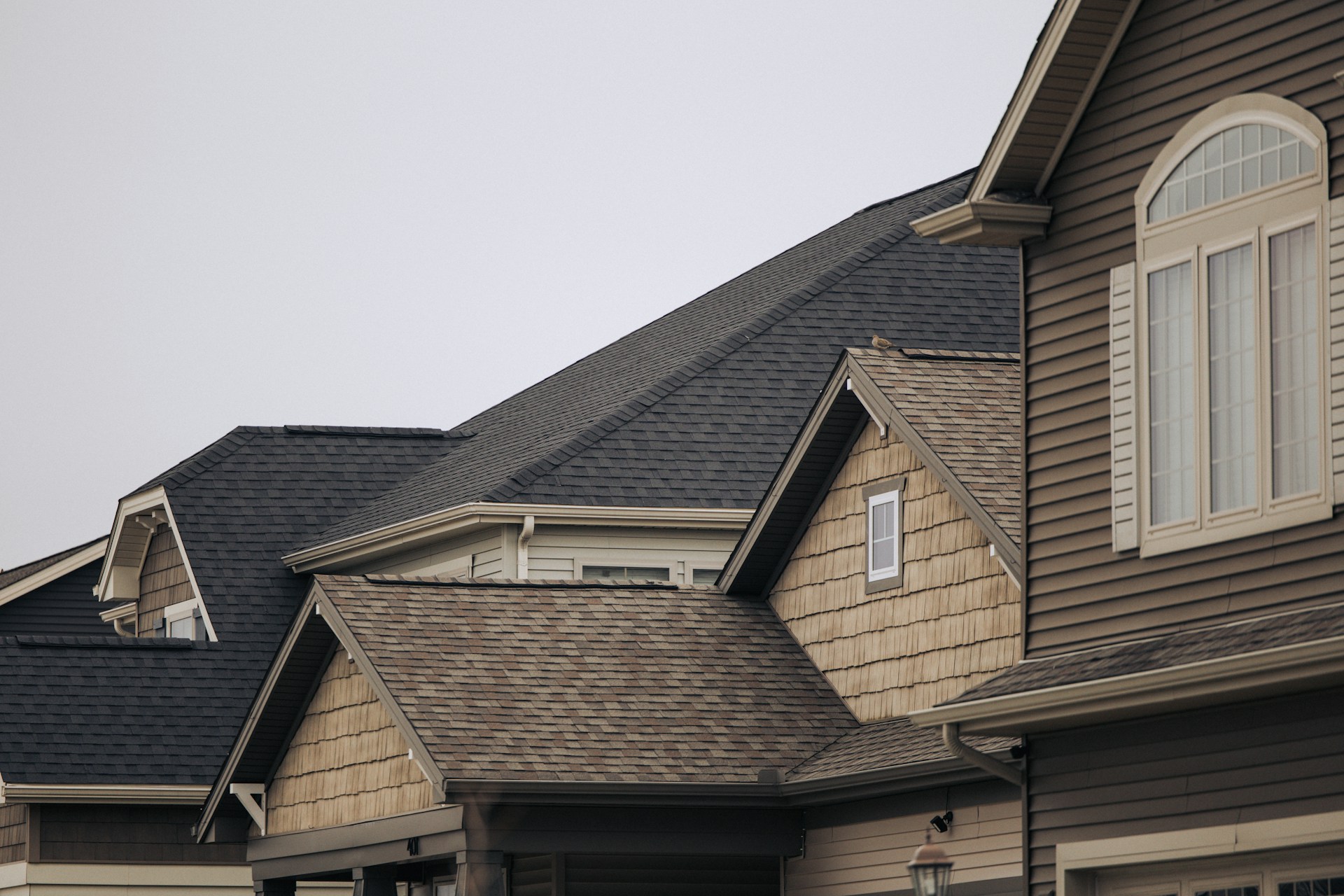
Roofing Challenges for Homes Exposed to Open Prairie Wind
How Central Alberta wind affects shingles, flashing, roof edges, and long-term roof performance.
Homes in Central Alberta are built to handle tough weather, but properties exposed to open prairie wind face a unique set of roofing challenges. In areas around Blackfalds, Sylvan Lake, Penhold, Lacombe, and rural parts of Central Alberta, strong wind can move across open land with very little to slow it down. That constant exposure can put extra pressure on shingles, flashing, vents, roof edges, and other vulnerable parts of a roofing system.
Unlike a home surrounded by tall trees, dense neighbourhoods, or nearby buildings, an exposed prairie property often takes the full force of changing Alberta weather. Over time, even small wind-related issues can lead to lifted shingles, loose materials, water entry, and premature roof wear.
Understanding how open prairie wind affects your roof can help you spot problems early and protect your home before minor damage becomes expensive.
Why Open Prairie Wind Is Hard on Central Alberta Roofs
Wind is one of the most common causes of roof damage in open areas. When a home sits on an acreage, near farmland, at the edge of town, or in a less sheltered subdivision, the roof has fewer natural barriers protecting it from gusts.
That matters because wind does not just blow across the top of a roof. It creates pressure. It can push against one side of the home, pull upward on roof edges, and force air beneath loose or aging shingles. Over time, this can weaken the roof system, especially if the shingles are older, poorly sealed, or already showing signs of wear.
Homes in Central Alberta can also experience fast weather changes. A calm day can turn into strong wind, rain, snow, or freezing conditions. For exposed homes in Blackfalds, Sylvan Lake, Penhold, Lacombe, and surrounding rural areas, that repeated cycle can shorten the life of roofing materials.
Common Signs of Wind Damage on a Roof
Wind damage is not always obvious from the ground. Some signs are easy to spot, while others require a closer look from a roofing professional.
Common signs of wind-related roof damage include:
Missing shingles
Lifted or curled shingle edges
Shingles that look uneven or out of place
Loose flashing around chimneys, vents, or roof valleys
Exposed nail heads
Pieces of shingles or roofing material found around the yard
Water stains on ceilings or attic sheathing
Increased drafts or moisture in the attic
Granules collecting in gutters or near downspouts
One of the biggest issues with prairie wind is that it can break the seal on asphalt shingles without immediately tearing them off. A shingle may still appear to be in place, but if the seal has been weakened, future wind, rain, or snow melt can create bigger problems.
This is why homes in windy areas often benefit from regular roof inspections in Central Alberta, especially after major wind events or seasonal weather changes.
Why Rural and Edge-of-Town Homes Are More Exposed
Open prairie wind is especially hard on homes that sit outside dense urban areas. Rural properties, acreages, lake homes, cabins, and homes near open fields often face stronger wind exposure than homes in more sheltered neighbourhoods.
This can be especially common around:
Acreage properties outside Blackfalds
Lake-area homes near Sylvan Lake
Rural homes around Lacombe
Exposed subdivisions near Penhold
Farm and country residential properties across Central Alberta
These homes may have beautiful open views, but that same openness can leave the roof more vulnerable. Wind can hit the roof from multiple directions, especially when there are no nearby buildings, mature trees, or hills to reduce the force.
Roof design also plays a role. Steep rooflines, long roof slopes, exposed gables, and overhangs can all affect how wind moves across the surface of the home. In some cases, the most vulnerable areas are the edges, corners, ridges, and valleys, where wind pressure tends to be strongest.
How Wind Affects Asphalt Shingles
Asphalt shingles are one of the most common roofing materials in Central Alberta, but they need to be properly installed and maintained to perform well in windy conditions.
Wind can affect asphalt shingles in several ways. It can lift the edges, weaken the adhesive strip, loosen nails, crack older shingles, or remove shingles entirely. Once even a few shingles are damaged, the roof becomes more vulnerable to water getting underneath the surface.
Older shingles are usually more at risk because they become less flexible over time. Heat, cold, UV exposure, snow, ice, and repeated freeze-thaw cycles can make shingles more brittle. When strong prairie wind hits an aging roof, shingles may lift or tear more easily.
For exposed homes, proper installation matters. Strong fastening, correct shingle alignment, quality underlayment, and attention to roof edges all help improve performance. If your roof is older or has experienced repeated wind damage, it may be worth reviewing your options for asphalt shingle roofing in Central Alberta to make sure the material and installation approach fit your property’s exposure.
Flashing, Vents, and Roof Edges Are Also Vulnerable
Shingles are not the only part of a roof affected by open prairie wind. Flashing, vents, pipe boots, ridge caps, and roof edges can also take a beating.
Flashing is especially important because it protects areas where the roof meets another surface, such as chimneys, walls, valleys, and vents. If flashing becomes loose or lifted, wind-driven rain and snow can find a path into the roof system.
Roof edges are another common weak point. Wind often pulls upward at the perimeter of the roof. If shingles, drip edge, or underlayment are not secure, damage can start at the edge and work its way inward.
This is why wind-related roof problems can sometimes appear as leaks in unexpected places. Water may enter through a damaged edge or flashing point, then travel along the roof deck or attic before showing up inside the home.
Prairie Wind Can Shorten Roof Lifespan
A roof on a sheltered home may age differently than a roof on an exposed property. Even if both roofs were installed at the same time using the same materials, the roof exposed to constant prairie wind may wear faster.
Open wind exposure can contribute to:
Faster shingle seal failure
More frequent lifted or missing shingles
Increased granule loss
Loosened flashing
More stress around roof edges
Greater risk of water entry after storms
More frequent repair needs over time
This does not always mean the roof needs to be replaced early, but it does mean it should be monitored more closely. Small repairs and seasonal maintenance can help extend the life of the roof and reduce the chance of sudden leaks.
For homes in exposed parts of Central Alberta, preventative roof maintenance in Central Alberta can be one of the best ways to reduce long-term roofing costs.
When to Check Your Roof After Strong Winds
You do not need to climb onto your roof to look for damage. In fact, walking on a roof can be dangerous and may cause more damage if done incorrectly. Instead, start with a simple ground-level check after strong wind.
Look for missing shingles, loose pieces of material, debris in the yard, or anything that looks uneven along the roofline. You can also check your attic for signs of moisture, daylight coming through the roof deck, or damp insulation.
You should consider booking a roof inspection if:
You notice missing or lifted shingles
You find shingle pieces around your property
Your roof is older and exposed to heavy wind
You see water stains inside the home
Flashing appears loose or damaged
Your neighbours have had wind damage
A major windstorm recently passed through your area
Even if there is no visible leak, wind damage can still weaken the roof. Catching it early can help prevent future water damage, especially before the next rain, snowfall, or spring snow melt.
How to Reduce Wind-Related Roofing Problems
You cannot stop prairie wind, but you can reduce how much damage it causes. The best approach is to keep the roof system in good condition and address small problems before they spread.
Helpful steps include:
Schedule regular roof inspections
Replace missing or damaged shingles quickly
Keep flashing secure and properly sealed
Watch for lifted shingles after strong winds
Clear gutters so water can drain properly
Trim nearby branches that could hit the roof
Make sure attic ventilation is working properly
Choose roofing materials suited for Alberta weather
Work with roofers familiar with Central Alberta conditions
For exposed homes, maintenance is especially important before winter and after severe wind events. A small lifted shingle may not seem urgent, but once wind gets beneath it, the surrounding shingles can become more vulnerable too.
Roofing Considerations for Blackfalds, Sylvan Lake, Penhold, and Lacombe Homes
Each community in Central Alberta has its own roofing conditions, but wind exposure is a common concern across the region.
Homes near Blackfalds and Penhold may experience open-field exposure, especially in newer developments or rural properties outside town. Sylvan Lake homes can face wind coming off open areas near the lake, along with seasonal moisture and winter weather. Lacombe-area properties may also deal with rural exposure, older homes, and changing weather patterns throughout the year.
For any home in these areas, the key is understanding how exposed the property is. A roof that works well in a protected neighbourhood may need closer monitoring on a wide-open lot.
Final Thoughts: Open Prairie Wind Requires a Stronger Roofing Strategy
Homes exposed to open prairie wind need a roofing system that is properly installed, regularly checked, and maintained for Alberta weather. Strong wind can lift shingles, loosen flashing, damage roof edges, and shorten the lifespan of roofing materials, especially on rural or edge-of-town properties.
For homeowners in Central Alberta, Blackfalds, Sylvan Lake, Penhold, and Lacombe, the best strategy is to catch wind damage early. Regular inspections, timely maintenance, and quality roofing materials can help protect your home from leaks, storm damage, and unnecessary repair costs.
A roof does not need to fail all at once to become a problem. In windy prairie conditions, small weaknesses can grow quickly. Paying attention to your roof after strong winds is one of the simplest ways to keep your home protected year-round.
Have a roofing project in Red Deer, Blackfalds, Sylvan Lake, Penhold, Lacombe, or other Central Alberta areas? Give us a call and we'd be happy to help with your project!