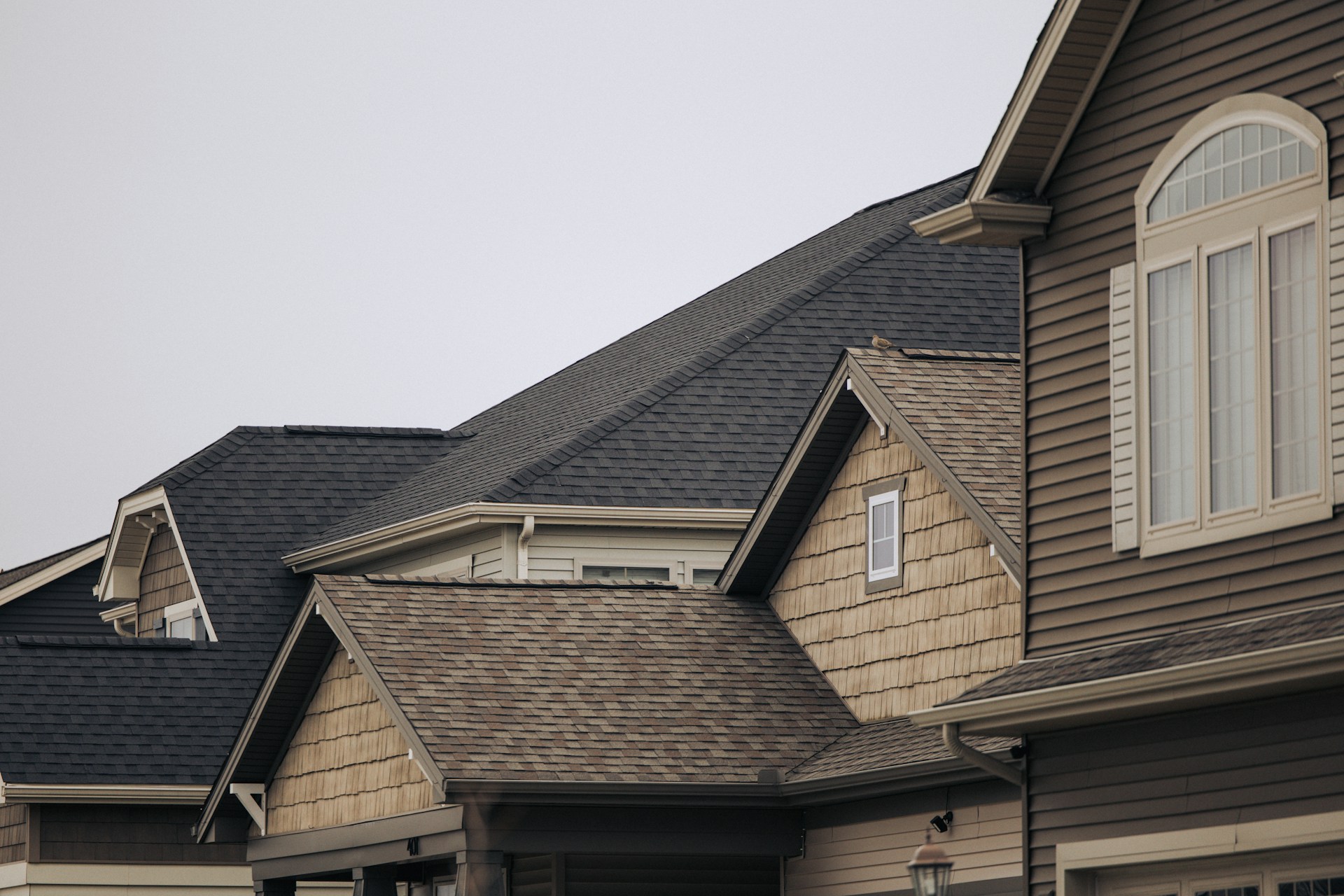
Spring Roof Inspection Checklist for Red Deer Homeowners
A practical guide to checking your roof after winter, snow melt, and early spring weather in Red Deer.
Spring is one of the most important times of year to check the condition of your roof. After months of snow, ice, wind, freeze-thaw cycles, and heavy temperature swings, even a roof that looked fine in the fall may have small issues that need attention.
For Red Deer homeowners, a spring roof inspection is not just about looking for obvious damage. It is about catching early warning signs before they turn into leaks, moisture problems, damaged insulation, or expensive repairs later in the year. A careful seasonal check can help you understand how your roof handled winter and whether it is ready for spring rain and summer storms.
Use this spring roof inspection checklist to know what to look for, what problems matter most, and when it may be time to schedule professional roof inspections in Red Deer.
Why Spring Roof Inspections Matter in Red Deer
Red Deer roofs deal with tough seasonal conditions. Snow can sit on the roof for long periods, ice can build along the edges, and warm daytime temperatures followed by freezing nights can put stress on shingles, flashing, gutters, and ventilation.
Once spring arrives, melting snow and early rainfall can reveal problems that were hidden during winter. A small gap around flashing, a lifted shingle, or a clogged gutter may not seem serious at first, but these issues can quickly lead to water getting where it should not.
A spring inspection gives homeowners a chance to spot problems early, plan repairs before the busy roofing season, and stay ahead of damage caused by moisture.
Start With a Ground-Level Roof Check
Before thinking about climbing onto the roof, start from the ground. Many common roof problems can be spotted safely from your yard, driveway, or a second-floor window.
Look for shingles that appear curled, cracked, lifted, missing, or out of place. Pay attention to any sections that look uneven, wavy, or darker than the surrounding area. These can be signs of aging shingles, moisture damage, or wind-related roof movement.
You should also check for exposed areas where shingles may have blown off during winter storms. Even one missing shingle can create a weak point where water can enter during spring rain or snow melt.
Check for Missing, Lifted, or Damaged Shingles
Asphalt shingles are designed to protect your home from water, wind, and weather, but winter can be hard on them. Snow, ice, and strong winds can loosen shingles or damage the adhesive strips that help hold them in place.
During your spring roof inspection, look for:
Missing shingles
Lifted shingle edges
Cracked or curled shingles
Bare patches where granules have worn away
Shingles that appear shifted or uneven
Lifted shingles are especially important to catch early. Once wind gets under one shingle, nearby shingles can become more vulnerable. If you notice several damaged areas, it may be worth looking into roof maintenance in Red Deer before the problem spreads.
Inspect Gutters and Downspouts
Your gutters play a major role in protecting your roof, siding, foundation, and landscaping. In spring, they need to move melting snow and rainwater away from your home as efficiently as possible.
Check your gutters for leaves, branches, shingle granules, ice damage, and other debris. If water cannot drain properly, it may back up along the roof edge and increase the risk of leaks.
Also look for gutters that are sagging, pulling away from the fascia, or leaking at the joints. Downspouts should be firmly attached and should direct water away from the foundation.
If you notice a large amount of shingle granules in the gutters, that can be a sign your shingles are wearing down. Some granule loss is normal over time, but heavy buildup may mean the roof is aging or has been damaged by winter conditions.
Look Around Roof Valleys
Roof valleys are the areas where two roof slopes meet. Because they direct a large amount of water, snow, and debris, they are one of the most important areas to inspect in spring.
From the ground, look for debris buildup, damaged shingles, dark staining, or signs that water is not draining properly. Valleys are common places for leaks to start if shingles, flashing, or underlayment have been damaged.
If your home has trees nearby, branches, leaves, and needles may collect in these areas over winter. This can hold moisture against the roof and speed up wear.
Check Flashing Around Chimneys, Vents, and Skylights
Flashing is the metal material used around roof penetrations and transitions, including chimneys, plumbing vents, skylights, dormers, and walls. Its job is to direct water away from vulnerable seams.
In spring, flashing should be checked carefully because winter movement, ice, and snow can loosen seals or create gaps. Look for rust, lifted edges, cracked sealant, missing pieces, or areas where flashing appears separated from the roof surface.
Flashing problems are one of the most common causes of roof leaks. If you notice water stains inside your home near a chimney, skylight, or ceiling line, the flashing may need attention.
Watch for Signs of Roof Leaks During Snow Melt
Spring snow melt can expose roof leaks that were not obvious during winter. Water may enter slowly, travel through insulation or framing, and appear far from the original roof problem.
Inside your home, check ceilings, walls, attic spaces, and upper-floor rooms for signs of moisture. Look for stains, bubbling paint, damp insulation, musty smells, or discoloured areas near vents and exterior walls.
If you are already seeing active water issues, it is worth reviewing what to do about roof leaks during rain or snow melt in Red Deer so you can respond quickly and reduce further damage.
Inspect the Attic if You Can Access It Safely
Your attic can reveal roof problems that are not visible from the outside. A spring attic check can help you spot moisture, ventilation issues, and signs of hidden leaks.
Look for damp insulation, water stains on roof decking, dark patches on wood, frost marks, or musty odours. You should also check whether daylight is visible through the roof boards, especially around vents, chimneys, or roof edges.
Attic ventilation matters too. Poor ventilation can trap warm, moist air inside the attic, which may contribute to condensation, ice damming, and premature shingle wear. If your attic feels unusually damp or hot, it may be a sign that ventilation should be assessed.
Check Soffits, Fascia, and Roof Edges
The edges of your roof are especially vulnerable to winter damage. Ice, snow, clogged gutters, and wind can all affect the fascia, soffits, and lower roofline.
Walk around your home and look for peeling paint, soft wood, sagging areas, gaps, animal activity, or signs of water staining. If soffits or fascia are damaged, moisture can enter the roof structure and cause bigger problems over time.
Roof edges are also where ice dams may form. If your home had heavy icicles or uneven snow melt during winter, it may be worth having the roof edge, insulation, and ventilation checked.
Look for Damage Around Vents and Roof Fixtures
Roof vents, exhaust vents, pipe boots, satellite mounts, and other roof fixtures should be checked in spring. Rubber boots around plumbing vents can crack over time, and sealant around fixtures can fail after repeated freeze-thaw cycles.
Watch for cracked rubber, loose vents, missing caps, rusted fasteners, or gaps around the base of any roof fixture. These small areas are easy to overlook, but they can become direct entry points for water.
Check for Tree and Branch Damage
If your home has trees nearby, spring is a good time to look for roof damage caused by branches. Heavy snow and wind can break limbs or cause branches to scrape against the roof surface.
Branches that touch or overhang the roof can wear down shingles, drop debris into valleys and gutters, and keep parts of the roof damp. Trim back branches where needed and remove any debris that has collected on the roof.
You should also look for signs of animal activity. Birds, squirrels, and other pests may take advantage of damaged vents, soffits, or roof openings.
Pay Attention to Uneven Snow Melt Patterns
Although most snow may be gone by the time you complete your spring inspection, think back to how snow melted on your roof during winter. Uneven snow melt can sometimes point to insulation or ventilation issues.
If one section of the roof melted much faster than others, it may suggest heat loss from inside the home. This can contribute to ice damming, attic condensation, and unnecessary stress on the roofing system.
A roof inspection can help determine whether the issue is related to the roofing material, attic ventilation, insulation, or a combination of factors.
When to Call a Professional Roofer
Some roof issues are easy to spot, but others require a closer inspection. You should consider calling a professional if you notice missing shingles, active leaks, sagging areas, damaged flashing, heavy granule loss, water stains, or signs of moisture in the attic.
You should also avoid climbing onto your roof if it is steep, wet, icy, damaged, or difficult to access. A professional roofer can inspect the roof safely and identify problems that may not be obvious from the ground.
A spring inspection is especially useful if your roof is older, your home experienced ice damming, or you noticed leaks during snow melt.
Spring Roof Inspection Checklist for Homeowners
Here is a simple checklist Red Deer homeowners can use each spring:
Check the roof from the ground for missing, cracked, or lifted shingles. Look for heavy granule loss in gutters and around downspouts. Make sure gutters are clear and draining properly. Inspect roof valleys for debris or visible damage. Look around chimneys, vents, skylights, and flashing for gaps or cracks. Check ceilings, walls, and attic spaces for signs of leaks. Look at soffits, fascia, and roof edges for water damage. Trim branches away from the roof. Watch for signs of animal activity. Call a roofer if anything looks damaged, loose, or unsafe.
Final Thoughts
A spring roof inspection is one of the best ways to protect your home after a long Red Deer winter. By checking shingles, gutters, flashing, roof edges, attic spaces, and signs of moisture, homeowners can catch small problems before they become larger and more expensive.
Spring is also a smart time to plan repairs or maintenance before heavy rain, summer storms, and the busiest part of the roofing season. If you notice damage or are unsure about the condition of your roof, booking a professional inspection can give you a clearer picture of what your roof needs next.
Have a roofing project in Red Deer, Blackfalds, Sylvan Lake, Penhold, Lacombe, or other Central Alberta areas? Give us a call and we'd be happy to help with your project!