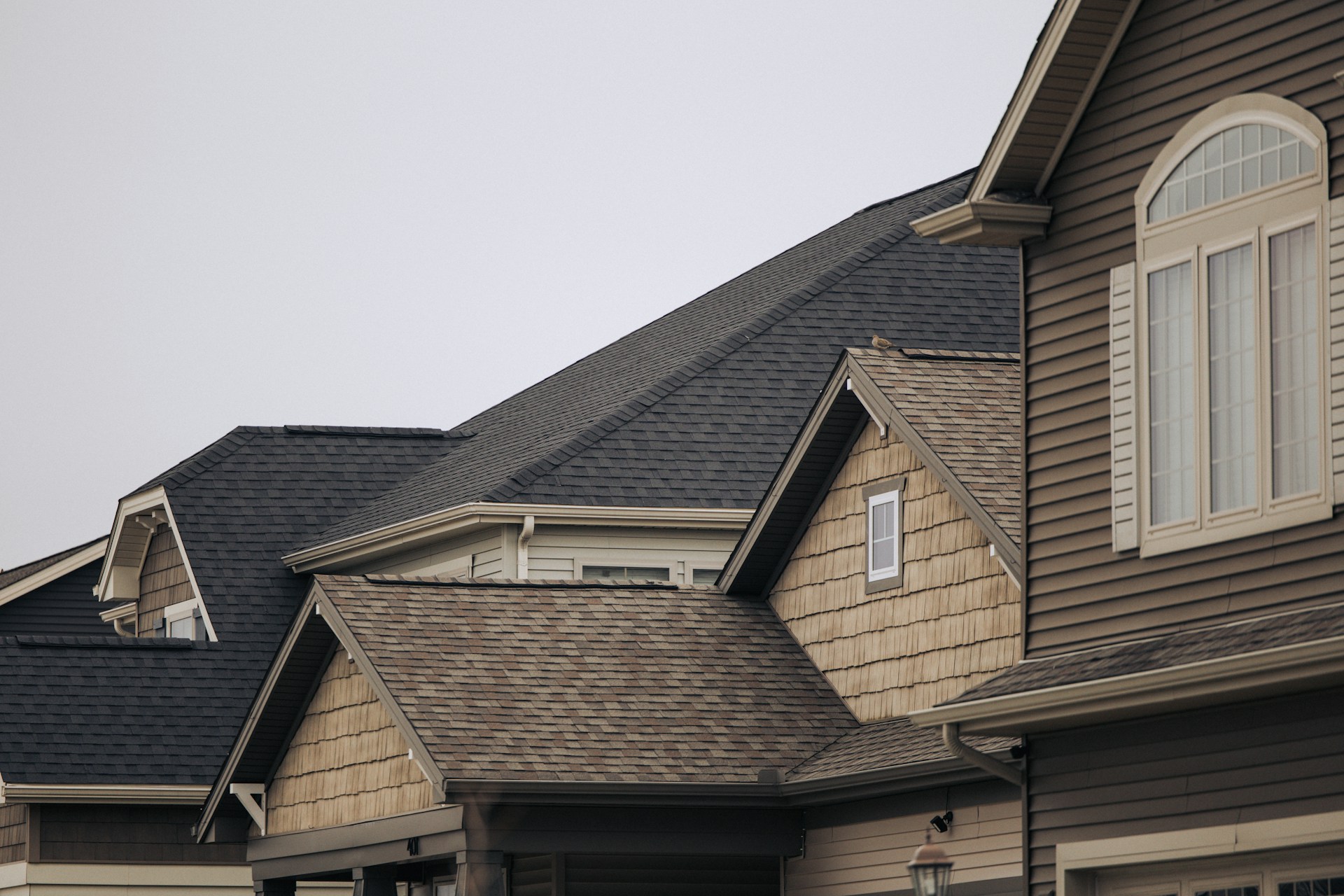
How Heavy Snow Affects Roofs in Red Deer
Heavy snowfall, freeze-thaw cycles, and melting snow can put serious stress on Red Deer roofs, making winter roof damage a major concern for local homeowners.
Red Deer winters can be tough on a roof. Between heavy snowfall, freezing temperatures, wind, ice buildup, and sudden thaw cycles, your roofing system has to handle a lot more than just cold weather. While a well-built roof is designed to carry normal winter loads, repeated snow accumulation can create pressure, trap moisture, expose weak points, and lead to damage that may not be obvious right away.
For homeowners in Red Deer, understanding how heavy snow affects your roof can help you spot warning signs early, prevent costly repairs, and know when it is time to schedule a professional inspection.
Why Heavy Snow Is Hard on Red Deer Roofs
Heavy snow adds weight to your roof. Light, fluffy snow may not seem like a major issue, but wet, compacted snow can become much heavier. As snow builds up over multiple storms, the load on your roof increases, especially if temperatures rise and the snow absorbs moisture before refreezing.
In Red Deer, winter weather often shifts between freezing temperatures and milder thaw periods. This freeze-thaw pattern can make snow-related roof problems worse. Snow melts during the day, runs into cracks, seams, gutters, valleys, and roof edges, then freezes again overnight. Over time, that expansion and contraction can stress shingles, flashing, gutters, and other vulnerable areas.
Can Heavy Snow Damage a Roof?
Yes, heavy snow can damage a roof, especially if the roof is older, poorly ventilated, already weakened, or has existing problems. Snow does not always cause immediate visible damage, but it can make small roofing issues worse.
Heavy snow may lead to:
structural stress from excess weight
leaks during snow melt
ice dams along the roof edge
damaged or lifted shingles
clogged or strained gutters
flashing leaks around vents, chimneys, and skylights
moisture buildup in the attic
sagging rooflines in serious cases
This is why homeowners should pay attention after major snowfall, especially if the roof is older or has not been checked recently.
Snow Load and Roof Stress
Snow load refers to the weight of snow pressing down on your roof. Most roofs are built to handle typical local winter conditions, but problems can happen when snow becomes unusually heavy, unevenly distributed, or trapped in certain areas.
Roof valleys, lower-slope roof sections, additions, garages, and shaded areas can collect more snow than other parts of the home. Wind can also push snow into drifts, creating uneven pressure. A roof may look fine from the ground, but certain sections could be carrying more weight than expected.
If you notice sagging areas, new cracks in interior drywall, doors that suddenly stick, or unusual creaking sounds during heavy snow, it is worth arranging roof inspections in Red Deer to make sure the roof structure and exterior roofing system are still performing properly.
How Snow Melt Leads to Roof Leaks
Many winter roof leaks do not happen during the snowfall itself. They show up when the snow starts melting.
As snow melts, water looks for the easiest path downward. If shingles are damaged, flashing is loose, gutters are clogged, or roof valleys are blocked by snow and ice, meltwater can work its way under the roofing materials. Once water gets beneath the roof surface, it may enter the attic, insulation, ceiling, or walls.
This is one reason homeowners often notice stains, dripping, or damp spots after a warm winter day rather than during a snowstorm. If you are already dealing with water entering your home, it is helpful to review what to do when your roof leaks during rain or snow melt in Red Deer so you can limit damage while arranging professional help.
Ice Dams and Winter Roof Damage
Ice dams are one of the most common winter roofing problems in snowy climates. They form when heat from the attic warms the upper roof surface, causing snow to melt. The melted water runs down toward the colder roof edge, where it refreezes. Over time, this creates a ridge of ice that blocks additional meltwater from draining properly.
When trapped water has nowhere to go, it can back up beneath shingles and leak into the home.
Ice dams can also damage:
shingles
underlayment
roof decking
fascia boards
soffits
gutters
attic insulation
interior ceilings and walls
Proper attic ventilation, insulation, drainage, and regular roof maintenance in Red Deer can help reduce the risk of ice dams and other snow-related roofing problems.
Heavy Snow Can Expose Existing Roof Problems
Snow often reveals roofing issues that were already developing. A small gap in flashing, a few aging shingles, a clogged gutter, or a minor ventilation problem may not cause obvious trouble in summer. But once snow, ice, and meltwater are involved, those weak points can turn into leaks or visible damage.
Common problems made worse by heavy snow include:
cracked or curled asphalt shingles
missing shingles
deteriorated flashing
old sealant around roof penetrations
poor attic ventilation
clogged gutters and downspouts
worn roof valleys
damaged roof decking
weak areas around chimneys or vents
This is why winter roof damage is often not just about the snow itself. It is usually a combination of snow weight, trapped water, freezing temperatures, and existing wear.
Signs Heavy Snow May Be Affecting Your Roof
Homeowners in Red Deer should watch for warning signs after heavy snowfall or during a thaw. Some signs are visible from the ground, while others appear inside the home.
Look for:
water stains on ceilings or walls
dripping during snow melt
large icicles along the eaves
ice buildup in gutters
sagging roof sections
uneven snow buildup
shingles that appear lifted, curled, or missing
damp attic insulation
musty smells in the attic
new cracks in drywall
overflowing gutters during thaw periods
Not every sign means you need a full roof replacement. In many cases, a timely inspection or repair can prevent the issue from becoming more expensive.
Should You Remove Snow From Your Roof?
In some situations, removing snow from a roof can help reduce weight and prevent ice buildup. However, climbing onto a snowy or icy roof is dangerous and can also damage shingles if done incorrectly.
Homeowners should avoid using sharp tools, metal shovels, or aggressive scraping methods on roofing materials. These can tear shingles, damage flashing, and remove protective granules from asphalt shingles.
If snow buildup looks excessive, if ice dams are forming, or if you are worried about roof stress, it is safer to contact a roofing professional rather than trying to handle it from the roof surface yourself.
How to Help Protect Your Roof Before Heavy Snow
The best way to reduce winter roof problems is to prepare before snow and ice become an issue. Seasonal maintenance can help your roof shed water properly, reduce trapped moisture, and catch small issues before they turn into leaks.
Helpful prevention steps include:
cleaning gutters before winter
checking that downspouts drain properly
repairing missing or damaged shingles
inspecting flashing around vents and chimneys
checking attic ventilation
improving attic insulation where needed
looking for signs of old leaks
trimming branches that overhang the roof
scheduling a roof inspection before winter
A roof that is already in good condition is much better prepared to handle Red Deer’s heavy snow, cold temperatures, and freeze-thaw cycles.
When to Call a Roofer After Heavy Snow
You should call a roofer if you notice leaks, sagging, ice dams, damaged shingles, or signs of moisture inside your home. It is also smart to schedule an inspection if your roof is older, has had past repairs, or has not been checked in several years.
A professional roofer can look for hidden winter damage, assess shingles and flashing, check vulnerable roof areas, and recommend the best next step. Sometimes the solution may be a small repair. Other times, ongoing winter issues may point to a larger ventilation, drainage, or roofing problem.
Getting the roof checked early can help prevent water damage, insulation problems, mould concerns, and more expensive repairs later in the season.
Heavy Snow Is a Serious Test for Red Deer Roofs
Heavy snow can affect a roof in several ways. It adds weight, traps moisture, contributes to ice dams, exposes weak points, and increases the risk of leaks during snow melt. For Red Deer homeowners, these issues are especially important because local roofs face long winters, repeated freeze-thaw cycles, and sudden weather changes.
If your roof is showing signs of winter damage, leaking during snow melt, or carrying heavy snow buildup, do not wait until the problem gets worse. A professional inspection can help identify the issue, protect your home, and give you a clear plan for repair or maintenance.
For reliable help with snow-related roofing concerns, schedule a roof inspection or winter roof repair service today.
Have a roofing project in Red Deer, Blackfalds, Sylvan Lake, Penhold, Lacombe, or other Central Alberta areas? Give us a call and we'd be happy to help with your project!