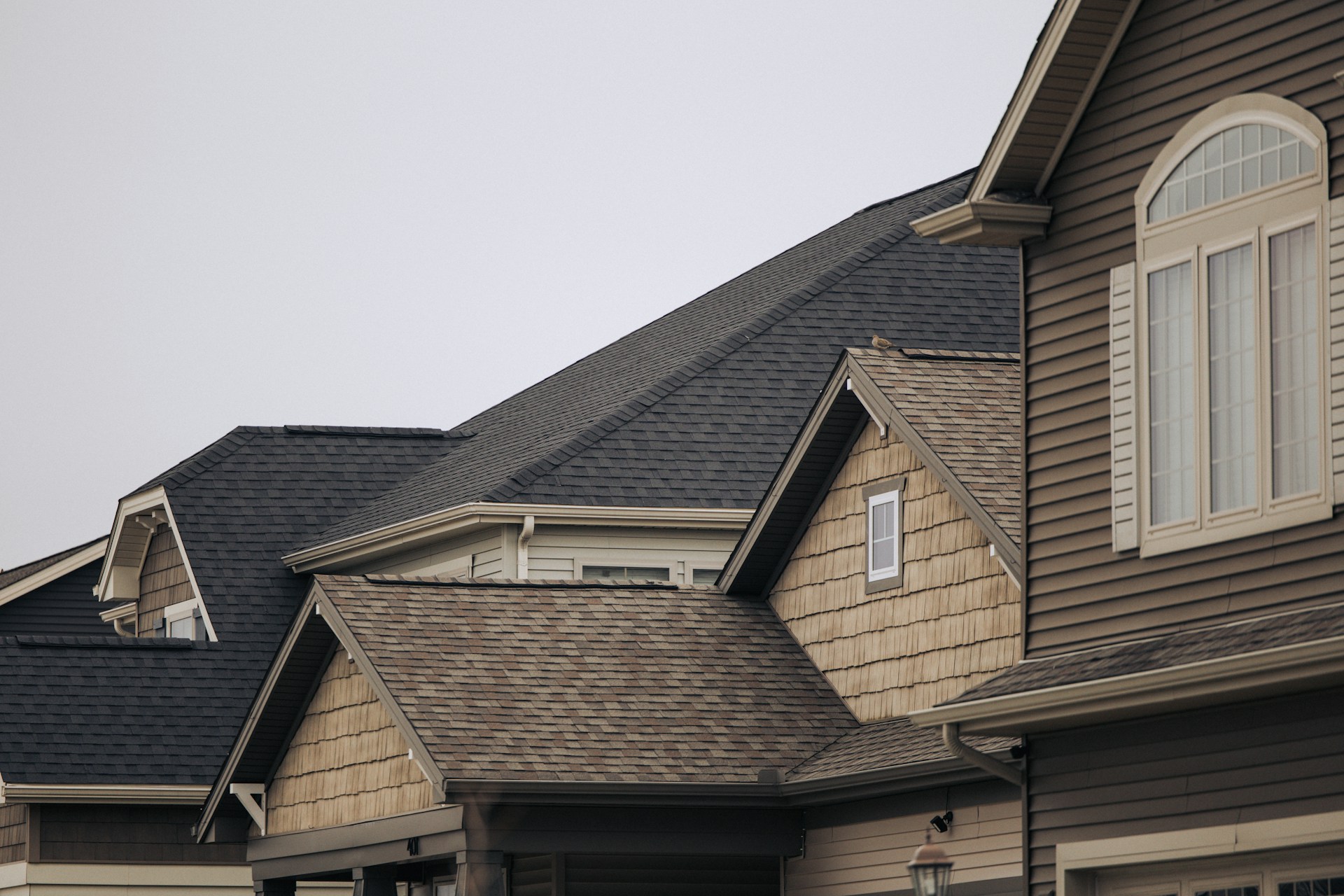
Roofing Considerations for Acreage Homes in Central Alberta
Acreage homes face different roofing conditions than homes in town, from open prairie wind and drifting snow to longer rooflines, tree debris, and harder-to-spot damage.
Acreage homes across Central Alberta often deal with roofing conditions that are very different from homes in town. Whether the property is outside Red Deer, Blackfalds, Sylvan Lake, Penhold, Lacombe, or a smaller rural community, the roof is usually more exposed to wind, snow, sun, trees, and changing weather patterns.
Because of that, acreage roofing is not just about choosing shingles or fixing visible damage. It is about understanding how the property is positioned, how the roof handles weather, and how small issues can turn into expensive problems when they go unnoticed.
Why Acreage Homes Need a Different Roofing Approach
In town, homes are often protected by nearby houses, fences, mature landscaping, and less direct exposure to open fields. Acreage homes are different. Many sit on open land where wind can hit the roof from every direction. Snow can drift unevenly. Trees can drop branches, needles, and leaves into valleys and gutters. Long driveways and rural access can also make emergency roof repairs more difficult during bad weather.
That is why acreage homeowners should think about roofing as a long-term protection system, not just a surface layer. The roof needs to stand up to Central Alberta’s wind, freeze-thaw cycles, heavy snow, hail risk, and seasonal moisture.
For homeowners trying to stay ahead of problems, regular roof maintenance in Central Alberta can make a major difference.
Wind Exposure Is One of the Biggest Roofing Concerns
Open prairie wind is one of the most important factors for acreage homes. When a house is surrounded by open fields or limited windbreaks, the roof can take more direct force than a similar home in a subdivision.
Wind can lift shingles, loosen flashing, damage ridge caps, and expose vulnerable areas around vents, chimneys, and roof edges. Even when damage is not obvious from the ground, small lifted sections can allow moisture underneath the roofing system.
Acreage homeowners should pay close attention after strong wind events, especially if they notice:
Shingles on the ground
Lifted or curled shingle edges
Loose flashing
Missing ridge caps
New leaks after wind-driven rain
Debris collecting around roof valleys
Because wind is such a common issue for rural homes, it may be helpful to understand more about roofing challenges for homes exposed to open prairie wind.
Snow Drifting Can Create Uneven Roof Loads
Central Alberta winters can be hard on any roof, but acreage homes may experience more uneven snow buildup because of open exposure. Wind can push snow into roof valleys, against dormers, behind chimneys, or onto lower roof sections.
This matters because snow does not always sit evenly across the roof. One area may be almost clear while another area holds a deep drift. Over time, that can add stress to certain sections of the roof and increase the risk of ice dams, leaks, and moisture intrusion.
Acreage homes with complex rooflines, additions, attached garages, or covered porches should be checked carefully after heavy snowfall or repeated freeze-thaw cycles.
Roof Valleys, Eaves, and Gutters Need Extra Attention
Many acreage homes have larger roof systems than standard city homes. They may include attached garages, porches, dormers, additions, breezeways, or connected outbuildings. More roof area usually means more valleys, more edges, more flashing, and more places where water can collect.
These areas are especially important:
Roof valleys are common leak points because they move large amounts of water and snow melt. If debris builds up, water may not drain properly.
Eaves and soffits should be checked for moisture staining, rot, or signs of poor ventilation.
Gutters and downspouts need to move water away from the home, especially on properties where grading or drainage is uneven.
Flashing around chimneys, skylights, vents, and wall transitions should be inspected regularly because these areas often fail before the main roofing material does.
Trees Can Protect the Home, But They Can Also Damage the Roof
Many acreage homes have mature trees around the property. Trees can help block wind, provide shade, and improve the look of the home, but they can also create roofing problems.
Branches that hang over the roof can scrape shingles, drop debris, and increase moisture retention. Leaves, needles, and twigs can collect in valleys and gutters, making it harder for water to drain. In winter, shaded roof areas may hold snow and ice longer than exposed sections.
Homeowners should keep branches trimmed back from the roof where possible and check for debris buildup after storms, high winds, and fall leaf drop.
Choosing the Right Roofing Material for an Acreage Home
The best roofing material for an acreage home depends on the home’s design, budget, exposure, and long-term plans. In Central Alberta, asphalt shingles and metal roofing are both common options.
Asphalt shingles are popular because they are cost-effective, familiar, and suitable for many residential homes. For acreage properties, it is important to choose shingles with strong wind ratings and proper installation details, especially along edges, ridges, and exposed roof sections.
Metal roofing can be a strong option for some acreage homes because of its durability, snow-shedding ability, and long lifespan. It can be especially appealing for rural homes, farmhouses, cabins, shops, and properties where long-term performance is a priority.
Homeowners comparing options may want to learn more about metal roofing in Central Alberta before deciding what makes the most sense for their property.
Ventilation Matters on Rural Homes
Roof ventilation is easy to overlook, but it plays an important role in how long a roofing system lasts. Poor ventilation can trap heat and moisture in the attic, which may lead to premature shingle wear, condensation, frost buildup, and mould concerns.
Acreage homes can be especially vulnerable if they have older attic systems, additions, vaulted ceilings, or renovations that changed the airflow. Even a good roofing material can fail earlier than expected if the attic is not properly ventilated.
A proper roofing inspection should include more than the shingles. It should also consider attic ventilation, intake vents, exhaust vents, insulation levels, and signs of moisture inside the attic space.
Older Acreage Homes May Have Hidden Roofing Issues
Many acreage homes in Central Alberta have been added onto, renovated, or repaired over the years. That can create roofing challenges if different sections of the roof were installed at different times or with different materials.
Common issues in older acreage homes include:
Multiple layers of old shingles
Uneven decking
Soft spots in the roof sheathing
Aging flashing
Poor attic ventilation
Outdated underlayment
Leaks around additions or roof transitions
Previous repairs that no longer hold up
Before replacing the roof on an older acreage home, it is important to check what is happening underneath the visible surface. A lower-cost roof replacement can become more expensive if hidden decking, ventilation, or moisture issues are discovered late.
Acreage Roof Inspections Should Be Part of Regular Property Care
Because acreage homes can be harder to monitor from the ground, roof inspections are especially valuable. A homeowner may not notice lifted shingles, cracked flashing, clogged valleys, or early leak risks until water has already entered the home.
In Central Alberta, acreage homeowners should consider scheduling a roof inspection:
After major wind or hail events
Before winter
After heavy snow or spring melt
Before buying or selling an acreage property
If the roof is more than 10 years old
If there are stains, leaks, or moisture smells inside the home
Regular inspections help catch small problems before they become major repairs.
Do Acreage Homes Need More Roof Maintenance?
In many cases, yes. Acreage homes are often exposed to more wind, debris, snow drifting, and weather variation than homes in town. That does not mean the roof will automatically fail sooner, but it does mean it should be watched more closely.
Simple maintenance can include clearing gutters, removing debris from valleys, trimming branches, checking for lifted shingles, inspecting flashing, and making sure attic ventilation is working properly.
Acreage homeowners should also check detached garages, shops, sheds, barns, and other roofed structures on the property. These buildings may not protect the living space, but roof damage can still lead to water damage, structural issues, and expensive repairs.
Signs an Acreage Roof May Need Repair
Acreage homeowners should watch for early warning signs of roof trouble, including:
Missing shingles
Lifted or curling shingles
Granules collecting in gutters
Water stains on ceilings or walls
Moisture in the attic
Loose or damaged flashing
Sagging roof sections
Ice buildup near eaves
Moss, algae, or heavy debris buildup
Shingles that look worn, cracked, or brittle
Even if the issue seems small, it is better to deal with roof damage early. Rural weather can turn a minor repair into a larger leak if the roof is exposed to wind-driven rain, snow melt, or repeated freeze-thaw cycles.
Final Thoughts
Roofing for acreage homes in Central Alberta requires a slightly different mindset than roofing for homes in town. These properties often face stronger wind exposure, uneven snow drifting, tree debris, larger roof systems, and more hidden maintenance issues.
The best approach is to choose materials carefully, keep up with seasonal maintenance, inspect the roof after major weather events, and fix small problems before they become expensive. Whether the home is near Red Deer, Blackfalds, Sylvan Lake, Penhold, Lacombe, or elsewhere in Central Alberta, a well-maintained roof helps protect the home, the property, and everything inside it.
Have a roofing project in Red Deer, Blackfalds, Sylvan Lake, Penhold, Lacombe, or other Central Alberta areas? Give us a call and we'd be happy to help with your project!