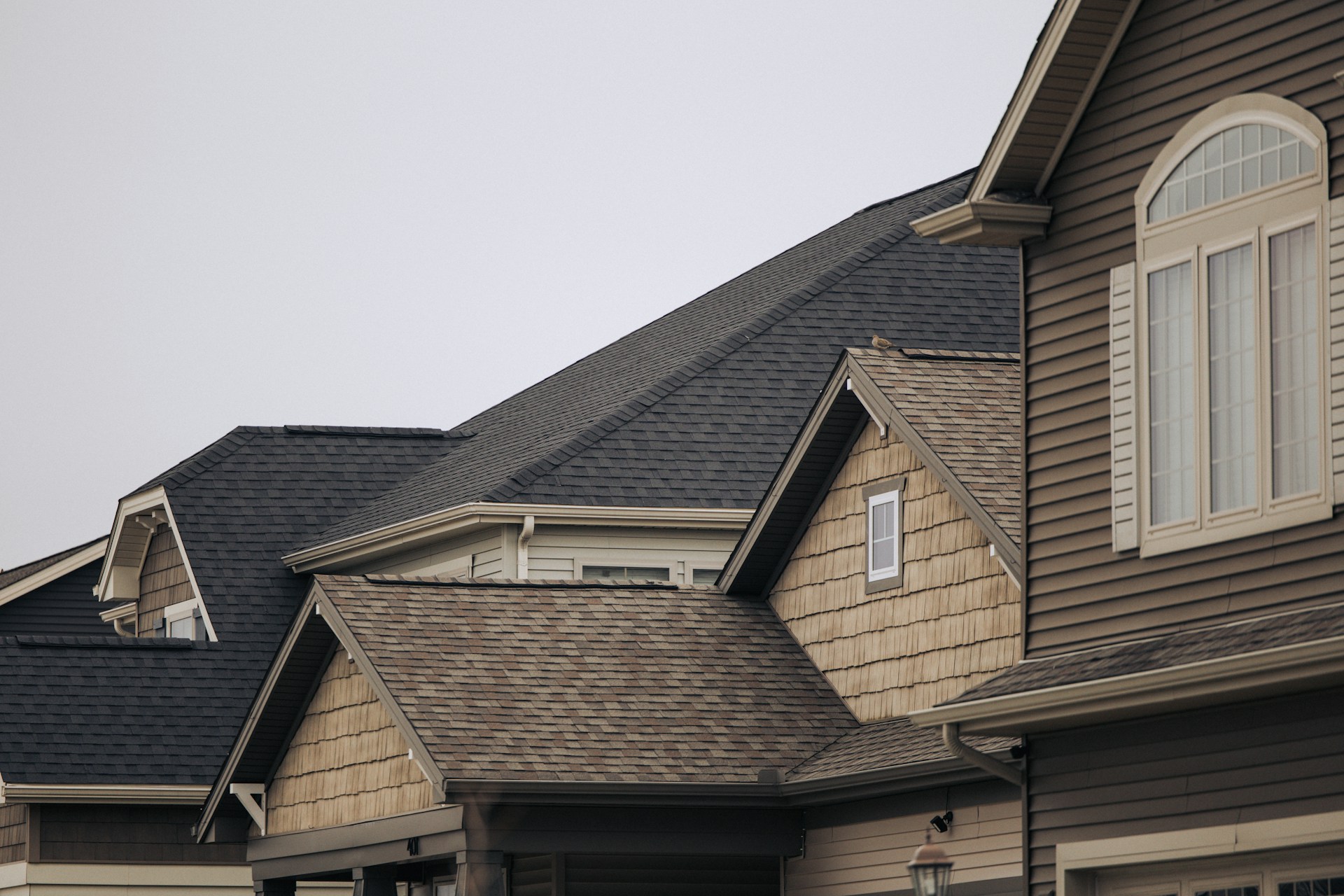
Missing or Lifted Shingles: When to Call a Roofer in Red Deer
Learn why missing, loose, or lifted shingles should not be ignored, especially with Red Deer’s wind, snow, and freeze-thaw weather.
Missing or lifted shingles can be easy to overlook at first. One or two damaged shingles may not seem like a major roofing problem, especially if there is no active leak inside the home. But in Red Deer, where roofs deal with strong wind, heavy snow, ice, hail, and seasonal freeze-thaw cycles, small shingle problems can become expensive if they are left too long.
Shingles are the first layer of protection on your roof. When they are missing, loose, curled, or lifted, the materials underneath may become exposed to moisture and weather damage. That can lead to roof leaks, soft spots, damaged underlayment, and more widespread repairs over time.
If you have noticed shingles on the ground, uneven sections on your roof, or shingles lifting after a windstorm, it may be time to schedule roof repair in Red Deer before the issue spreads.
Why Missing or Lifted Shingles Are a Problem
Asphalt shingles are designed to overlap and shed water down the roof. When one shingle is missing or lifted, that system is interrupted. Water can get underneath nearby shingles, wind can catch exposed edges, and the surrounding roof materials can start to weaken.
A missing shingle does not always mean your roof is failing, but it does mean part of the roof is no longer fully protected. The longer the area stays exposed, the higher the chance of water intrusion.
Lifted shingles can be just as concerning. A shingle may still be attached to the roof, but if it is no longer sealed properly, wind-driven rain and melting snow can work underneath it. In Central Alberta weather, that can be especially risky during spring melt, winter temperature swings, and summer storms.
Common Causes of Missing or Lifted Shingles in Red Deer
Red Deer roofs face a wide range of weather conditions throughout the year. Some of the most common reasons shingles become loose, lifted, or missing include:
Strong wind lifting the edges of shingles
Aging asphalt shingles losing flexibility
Poor original installation
Hail or storm impact
Ice buildup near roof edges
Freeze-thaw cycles weakening seals
Foot traffic or previous roof work
Deteriorated nails or fasteners
Improper attic ventilation causing premature wear
In many cases, shingle damage starts small. A few shingles may lift slightly, then the next windstorm pulls them higher or removes them completely. That is why it is important to deal with visible shingle damage early.
Signs Your Shingles May Need Repair
You do not need to climb onto your roof to spot possible shingle problems. In fact, homeowners should avoid walking on the roof unless they have the right equipment and experience. Many warning signs can be seen from the ground.
Look for:
Shingles lying in the yard or driveway
Bare patches on the roof
Uneven or raised shingles
Shingle edges that appear curled or lifted
Dark patches where granules are missing
Exposed nail heads
Pieces of shingles in the gutters
Water stains on ceilings or walls
New leaks after wind, snow melt, or rainfall
If you notice any of these issues, a professional inspection can help determine whether the damage is isolated or part of a larger roofing problem. A proper roof inspection in Red Deer can check the surrounding shingles, flashing, underlayment, vents, and roof decking for signs of hidden damage.
Are Missing Shingles an Emergency?
Missing shingles are not always an emergency, but they should be addressed quickly. If there is no active leak and only a small number of shingles are affected, the repair may be straightforward. However, if the exposed area is large, if rain or snow is in the forecast, or if water is already entering the home, the issue becomes more urgent.
You should call a roofer as soon as possible if:
Several shingles are missing in one area
Shingles are missing near valleys, vents, chimneys, or roof edges
You can see exposed underlayment or wood
There is an active leak
The damage happened after a major wind or hailstorm
The roof is older and already showing wear
Lifted shingles are spreading across multiple sections
Even one missing shingle can allow moisture to reach vulnerable areas if it is in the wrong location. Roof valleys, flashing points, and low-slope areas are especially important because they handle more water flow.
Can Lifted Shingles Cause Roof Leaks?
Yes, lifted shingles can lead to roof leaks. When shingles lift, they may allow water to move underneath the overlapping layers of the roof. This is especially common during wind-driven rain or when snow melts and refreezes.
The issue may not show up as a leak right away. Water can travel underneath shingles, soak into underlayment, or enter around fasteners before it appears inside the home. By the time a ceiling stain is visible, the roof may have been leaking for a while.
That is why lifted shingles should not be ignored, even if your attic and ceilings look dry.
Repairing Missing Shingles vs. Replacing the Roof
Not every missing shingle means you need a full roof replacement. If the roof is still in good condition and the damage is limited, a roofer may be able to replace the missing shingles, reseal lifted areas, and check nearby sections for weakness.
However, replacement may be worth discussing if:
The roof is near the end of its expected lifespan
Shingles are brittle, cracked, or curling across the roof
Granule loss is widespread
Multiple repairs have already been done
Shingles continue lifting after storms
There are signs of decking damage or recurring leaks
This is where professional judgment matters. A small repair may solve the problem, but repeated shingle loss may point to a larger issue with age, installation, ventilation, or roof design.
For homes with asphalt shingles, it can also help to review the condition of the entire system through asphalt shingle roofing in Red Deer, especially if the roof has been exposed to years of wind, snow, and hail.
Why Red Deer Weather Makes Shingle Damage Worse
Red Deer weather can be hard on roofing materials. Winter snow loads, chinook-style temperature swings, spring melt, summer storms, and strong winds can all affect how shingles perform.
When shingles are in good condition, they are better able to seal, shed water, and resist uplift. But once they start to loosen, the weather can make the damage spread faster. Wind can catch the raised edge of a lifted shingle. Melting snow can move underneath damaged areas. Freezing temperatures can make older shingles more brittle.
That combination makes early repair especially important for Red Deer homeowners. What starts as a few lifted shingles can become a wider section of loose roofing if it is left through another season.
What a Roofer Will Check
When a roofer inspects missing or lifted shingles, they should look beyond the obvious surface damage. The goal is to find out whether the issue is isolated or connected to a larger roof problem.
A roofer may check:
How many shingles are missing or loose
Whether nearby shingles are properly sealed
If nails or fasteners have backed out
Whether the underlayment is exposed or damaged
If flashing areas are vulnerable
Whether roof vents and penetrations are sealed
If there are signs of moisture in the attic
Whether the roof has storm or hail damage
If the roof is aging evenly or failing in sections
This helps prevent a quick patch from missing a bigger issue.
When to Call a Roofer in Red Deer
You should call a roofer when shingles are missing, lifted, cracked, curling, or visibly loose. You should also call if shingles have blown off after a storm, even if the roof does not appear to be leaking yet.
The best time to deal with shingle damage is before water gets inside the home. Early repairs are usually simpler, less disruptive, and less expensive than waiting until there is interior damage.
Call a roofer if you notice:
Shingles on the ground
A patchy or uneven roof surface
Lifted shingles after wind
Water stains inside the home
Shingle granules collecting in gutters
Damage near vents, chimneys, or valleys
Repeated shingle issues on the same roof section
A professional roofer can confirm whether you need a minor repair, a more detailed inspection, or a larger roofing solution.
Final Thoughts
Missing or lifted shingles may look like a small problem, but they can leave your roof exposed to water, wind, and further damage. In Red Deer’s climate, it is better to deal with shingle problems early rather than wait for leaks, staining, or structural issues to appear.
If you see shingles on the ground, notice raised sections on your roof, or suspect wind damage, schedule an inspection and repair before the next major weather event. A timely repair can help protect your home, extend the life of your roof, and prevent a small issue from becoming a much larger roofing expense.
Have a roofing project in Red Deer, Blackfalds, Sylvan Lake, Penhold, Lacombe, or other Central Alberta areas? Give us a call and we'd be happy to help with your project!